Quick answer:
Small PVC PET plastic trays are compact, thermoformed packaging inserts made from PVC or PET materials. They protect, organize, and display products across industries from electronics to cosmetics. Manufacturers like Zhongxing Packaging produce them with custom cavity designs, offering clarity, rigidity, and chemical resistance suited to high-volume B2B procurement.
Packaging decisions carry more weight than most buyers realize. The tray sitting inside a product box isn't just filler—it determines how a product survives shipping, how it looks on a retail shelf, and how easily a customer can retrieve it. For businesses sourcing packaging at scale, choosing the right small pvc pet plastic tray is a structural and commercial decision, not just an aesthetic one.
This post breaks down what separates high-performing trays from average ones, how material selection drives outcomes, and why manufacturer expertise matters far more than price alone.
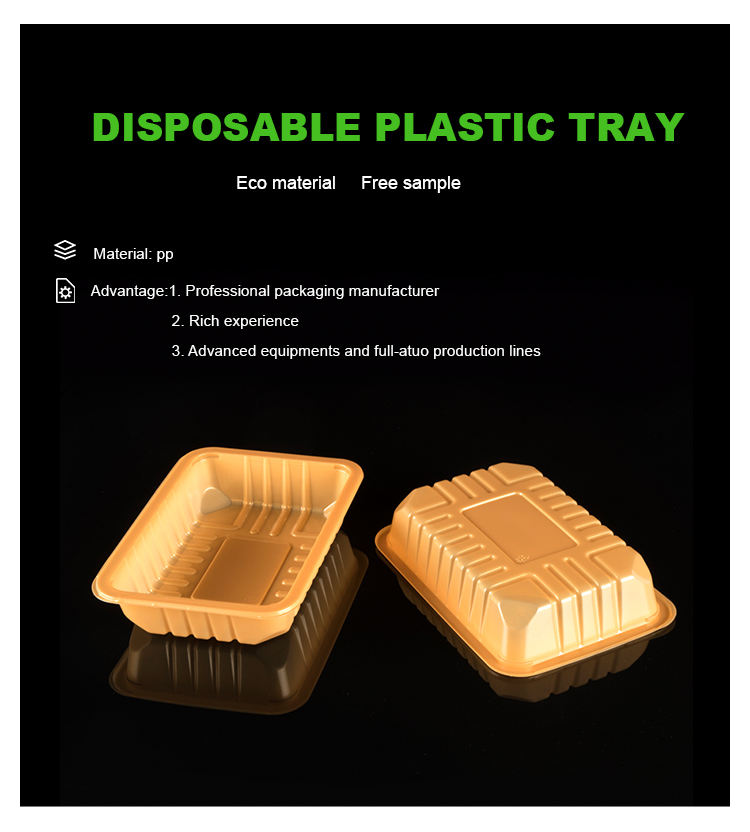
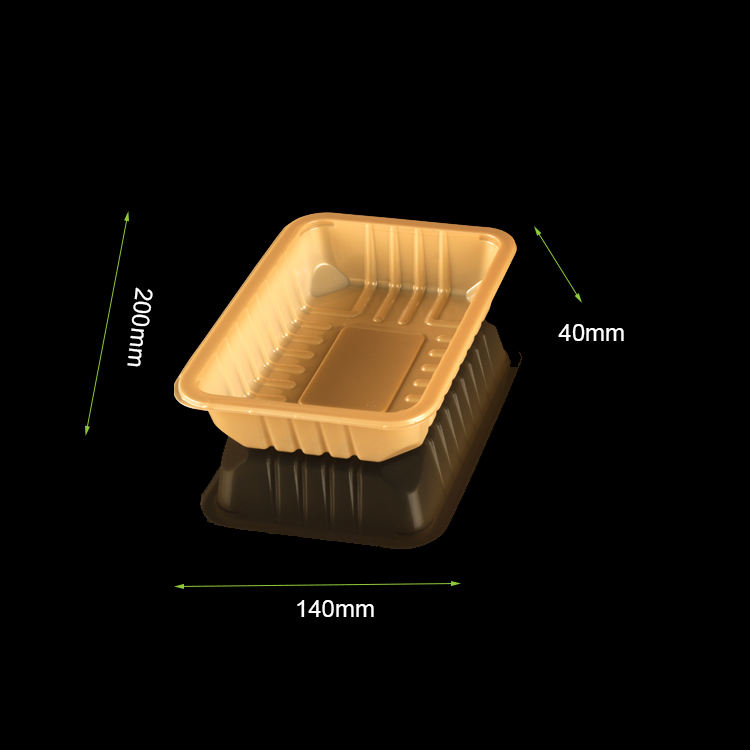
What Makes Small PVC PET Plastic Trays Different from Standard Blister Packaging?
Standard blister packs enclose a product in a sealed cavity. Small PVC PET plastic trays serve a different function—they act as inner structural inserts, cradling multiple items, separating fragile components, or presenting products with retail-grade clarity.
The "small" designation matters here. These trays are precision-formed to exact dimensions, often serving products with tight tolerances: medical devices, electronic modules, cosmetic compacts, or hardware components. A poorly formed cavity—even one millimeter off—can allow product movement, cause scuffing, or fail quality inspections.
At Zhongxing Packaging, tray design starts with the product, not a shelf template. Every cavity depth, draft angle, and wall thickness is calculated against the item it will hold. That engineering-first approach is what separates a manufacturer from a simple fabricator.
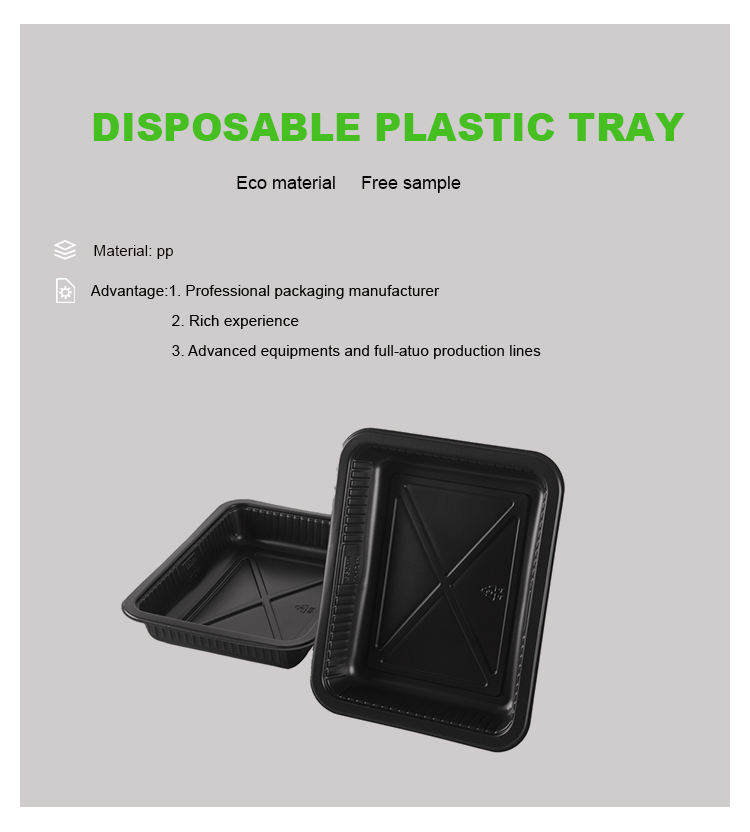
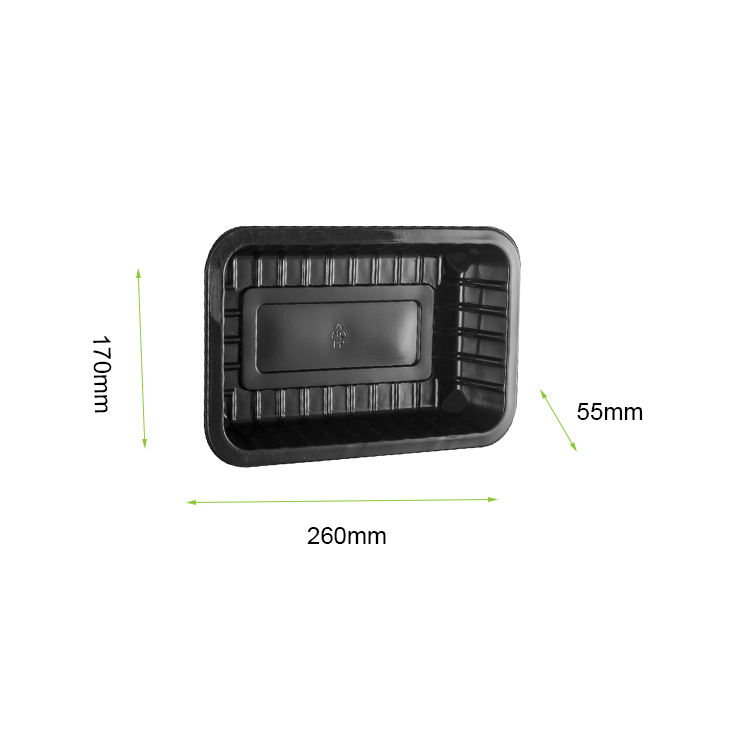
How Do PVC and PET Compare as Tray Materials?
Material choice is the single biggest variable in tray performance. PVC and PET are the two dominant options in the pvc pet plastic tray category, and they serve different needs well.
Property | PVC | PET |
Clarity | High | Very high |
Rigidity | Moderate to high | High |
Temperature resistance | Moderate | Higher |
Chemical resistance | Good | Excellent |
Recyclability | Limited | Widely recyclable |
Forming ease | Excellent | Good |
Common applications | Retail display, cosmetics, gifts | Food, medical, electronics |
Cost position | Lower | Slightly higher |
PVC excels in forming complex geometries at lower cost, making it a practical choice for retail trays and consumer goods packaging. PET delivers superior temperature resistance and food-contact safety, which is why it dominates pharmaceutical and food-grade applications.
Neither material is universally superior. The right choice depends on the product's weight, storage conditions, regulatory requirements, and end-market expectations. Zhongxing Packaging works with both—along with CPET, ABS, and PP—so clients receive material guidance based on engineering logic rather than inventory availability.
Why Does Manufacturing Depth Determine Tray Quality?
Most quality problems in plastic trays trace back to the production process, not the material itself. Uneven wall thickness, warped bases, inconsistent cavity depth—these are manufacturing defects, not material limitations.
Zhongxing Packaging operates as a full-process manufacturer. The facility handles tooling, thermoforming, trimming, and quality inspection under one roof. ISO 9001 certification governs the production system, meaning quality controls are documented, audited, and consistently applied—not improvised.
That matters for buyers sourcing in volume. When a manufacturer controls every stage internally, lead times shrink, variation drops, and accountability is clear. There's no subcontracting chain obscuring where a defect originated.
The company also offers OEM and ODM services, which means clients can bring a concept or a finished spec and receive a production-ready tray either way. For brands launching new product lines or refreshing packaging, that flexibility eliminates the need for multiple vendor relationships.
Which Industries Rely Most Heavily on Small Plastic Blister Trays?
The applications are broader than most buyers expect when they first start sourcing.
Electronics: Component trays for circuit boards, connectors, and sensors require anti-static options and tight cavity tolerances to prevent movement during transport.
Cosmetics and personal care: Display trays for lipstick, compacts, and skincare devices must balance visual clarity with structural support. Retail presentation is as important as product protection.
Medical and pharmaceutical: Hygiene standards and dimensional consistency are non-negotiable. PET and CPET materials dominate here due to sterilization compatibility.
Hardware and automotive: Fasteners, small mechanical parts, and assembly components need organized cavities that prevent mixing and simplify line-side picking.
Food and beverage: CPET trays handle oven-safe temperatures, while standard PET trays cover cold-storage and fresh produce applications.
Zhongxing Packaging serves all of these verticals. The product catalog spans electronics blister packaging, medical packaging, automotive component trays, food packaging, cosmetics trays, and gift packaging—each category manufactured with the material and tolerance standards its industry demands.
What Should Buyers Evaluate When Choosing a PVC Blister Tray Manufacturer?
Sourcing a tray isn't the same as sourcing a commodity. These questions filter strong manufacturers from weak ones quickly.
Does the manufacturer own its tooling process? In-house tooling gives manufacturers direct control over cavity accuracy and modification speed. Outsourced tooling adds lead time and reduces accountability.
Can they validate materials against your regulatory requirements? Food contact, medical device, and electronics standards each carry distinct material certifications. A competent manufacturer should be able to provide documentation.
What quality management system is in place? ISO 9001 certification is the baseline. Ask about inspection methods, defect rate targets, and how non-conforming product is handled.
Do they offer design support? For buyers without in-house packaging engineers, a manufacturer that provides DFM (design for manufacturability) input catches problems before tooling is cut—saving significant cost.
For companies sourcing pvc blister products at scale, these criteria are the difference between a reliable supply chain and a recurring quality problem.
The Standard That Serious Packaging Requires
Tray packaging looks simple from the outside. The engineering behind a well-formed, dimensionally consistent, material-appropriate tray is anything but. Buyers who treat it as a commodity decision often discover the cost of that assumption during a product launch or a retailer audit.
Zhongxing Packaging has spent years building the manufacturing infrastructure to eliminate that risk. Custom tooling, ISO-certified production, multi-material capability, and OEM/ODM flexibility position the company as a genuine manufacturing partner—not just a supplier.
If your next sourcing cycle includes plastic tray packaging, contact Zhongxing Packaging directly to discuss specifications, request samples, or start a custom project.
Frequently Asked Questions
What is the difference between a PVC tray and a PET tray?
PVC trays form easily and cost less, making them common in retail and cosmetics applications. PET trays offer higher temperature resistance, better recyclability, and food-contact compliance, making them preferred for medical, food, and electronics packaging. Both are available through Zhongxing Packaging in custom configurations.
What minimum order quantities do small plastic tray manufacturers typically require?
Minimum order quantities vary by manufacturer and tray complexity. Custom tooling generally requires higher initial volumes to amortize tooling costs. Zhongxing Packaging accommodates OEM and ODM orders and can advise on minimum quantities during the inquiry stage.
How long does custom tray tooling and production take?
Tooling lead times typically range from 7 to 15 business days depending on cavity complexity. Production runs follow tooling approval. Zhongxing Packaging's in-house tooling capability compresses this timeline compared to manufacturers that outsource mold fabrication.
Are PVC PET plastic trays recyclable?
PET trays are widely recyclable through standard municipal systems. PVC recyclability is more limited and varies by region. Zhongxing Packaging also offers CPET and PP alternatives for clients with specific sustainability or regulatory targets.
Can these trays be used for food contact applications?
PET and CPET materials can meet food contact standards when produced with appropriate certifications. PVC is generally not recommended for direct food contact. Buyers should confirm material compliance requirements with their regulatory team before finalizing specifications.


