About Zhongxing Packaging’s Innovations In Plastic Packaging, Blister Trays, Cups, And Containers
Stay Informed
You are here:Home » News » The Ultimate Guide To PET Blister Tray Packaging
The Ultimate Guide To PET Blister Tray Packaging
Views: 0 Author: Site Editor Publish Time: 2026-05-12 Origin: Site
Finding the right way to protect and display your products requires a careful balance of functionality and visual appeal. When an item sits on a retail shelf or travels through complex shipping networks, the materials surrounding it must withstand various pressures. Many businesses struggle with damages during transit, leading to unnecessary returns and frustrated customers.
One of the most effective solutions for securing items is custom-molded plastic. By conforming to the exact shape of a product, this method prevents movement and absorbs impact. This tailored approach reduces the need for excessive filler materials, streamlining the packing process and minimizing overall shipping weights.
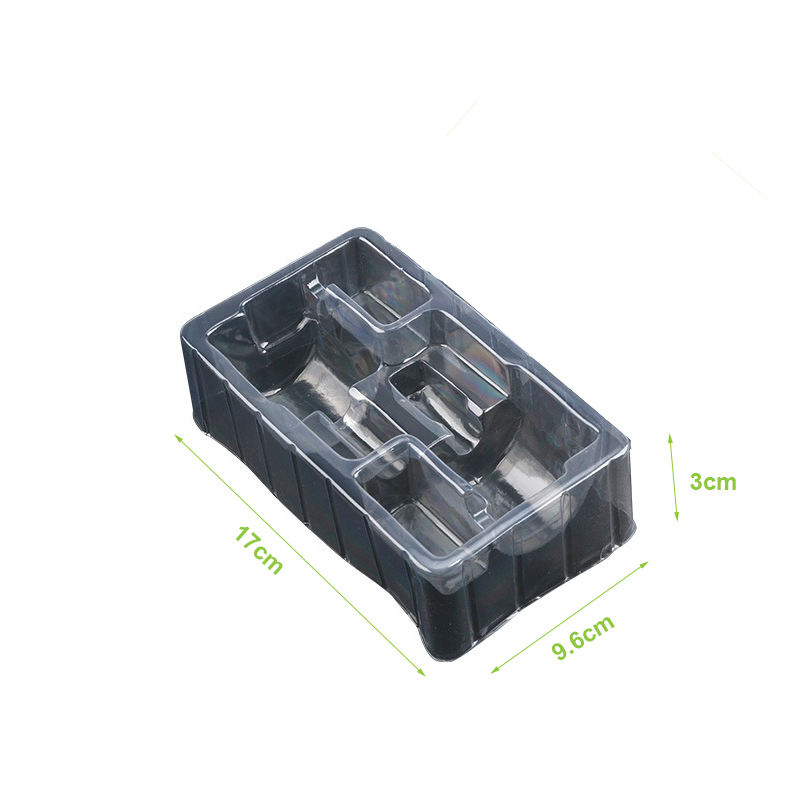
Among the various materials available, PET Blister Tray Packaging stands out as a top choice for manufacturers worldwide. It offers remarkable clarity, allowing consumers to inspect the product closely before making a purchase. The material is also highly durable and widely recyclable, aligning with the growing consumer demand for sustainable business practices.
Why Choose Blister Trays for Your Products?
Selecting the proper materials significantly impacts your bottom line. Investing in high-quality trays offers immediate benefits for both operations and marketing.
Reliable Protection and Durability
Products often endure rough handling during shipping. A well-designed plastic tray acts as a shock absorber. The customized cavities hold individual components securely in place, preventing them from colliding with one another. This is particularly crucial for delicate items, such as sensitive electronics or fragile glass vials.
Enhanced Shelf Appeal
Retail environments are highly competitive. Clear trays give products a premium look by putting the actual item on display rather than hiding it behind opaque cardboard. Shoppers appreciate transparency. When they can clearly see the quality of the product, their purchasing confidence increases.
Comparing Common Manufacturing Materials
Different applications require different material properties. Here is a breakdown of the most common plastics used in tray manufacturing.
Durable, cost-effective, good chemical resistance.
Hardware packaging, industrial components.
PP (Polypropylene)
High heat resistance, microwave safe, flexible.
Hot food containers, medical sterilization trays.
PS (Polystyrene)
Rigid, brittle, inexpensive.
Disposable cutlery, basic insert trays.
Versatility Across Major Industries
The adaptability of custom trays makes them suitable for nearly any sector. Manufacturers can adjust the thickness and layout to meet strict regulatory requirements and consumer expectations.
Securing Electronics and Hardware
Electronic components are highly sensitive to static and physical shock. Anti-static PET trays keep items like circuit boards, sensors, and consumer electronics safe from electrical damage and physical impact. Similarly, heavy hardware items require robust packaging to prevent sharp edges from piercing the exterior container.
Maintaining Freshness and Hygiene
Consumables require rigorous safety standards. The right food packaging prevents contamination and extends shelf life. Trays made from food-grade PET provide an excellent barrier against moisture and oxygen. They are frequently used for fresh produce, baked goods, and pre-packaged meals, ensuring the contents remain fresh from the processing plant to the kitchen table.
Designing the Perfect Layout
Creating a functional tray involves more than simply making a mold of the product. Engineers must consider how the consumer will interact with the packaging. If a tray is too difficult to open, it frustrates the user. If it is too loose, the item might fall out.
Designers often incorporate features like finger recesses to help users easily remove items. They also evaluate how the trays will stack inside larger shipping cartons. Efficient nesting designs save valuable warehouse space and reduce freight costs. Whether you are creating a simple insert or a complex blister box with a hinged lid, precise engineering guarantees a smooth unboxing experience for the end user.
Frequently Asked Questions
Are PET trays environmentally friendly?
Yes. PET is one of the most widely recycled plastics globally. Many manufacturers now offer trays made from post-consumer recycled (PCR) PET, further reducing the environmental footprint.
Can custom trays be colored?
Absolutely. While clear is the most popular choice for retail visibility, trays can be manufactured in any custom color to match your brand guidelines or to help organize different product lines.
What is the typical lead time for custom molds?
Lead times vary depending on the complexity of the design. Generally, the prototyping phase takes a few weeks, followed by full-scale production once the initial sample is approved.
Elevate Your Packaging Strategy
Upgrading your product presentation directly influences consumer perception and operational efficiency. By transitioning to custom-molded trays, you protect your merchandise while offering a sleek, professional appearance on the retail shelf. Evaluate your current shipping damages and consumer feedback to determine where customized inserts can provide the most value. Reach out to a specialized packaging manufacturer to discuss your specific requirements and begin designing a solution that perfectly fits your products.