A Guide to Medical Blister Packaging and Plastic Trays
In the medical field, the safety, sterility, and integrity of devices and pharmaceuticals are paramount. How these items are packaged plays a critical role in their efficacy and safety from the manufacturing line to the end-user. This is where specialized solutions like Medical Blister Packaging come into play. This guide will explore the world of plastic trays and their importance, focusing on the versatile blister tray and its applications in the healthcare industry.
The right packaging does more than just contain a product; it protects it from contamination, physical damage, and environmental factors. For medical applications, this protection is non-negotiable. Using a high-quality blister tray ensures that sensitive instruments and sterile products remain secure and uncontaminated until the moment they are needed. These advanced packaging solutions are a cornerstone of modern medical logistics and patient care.
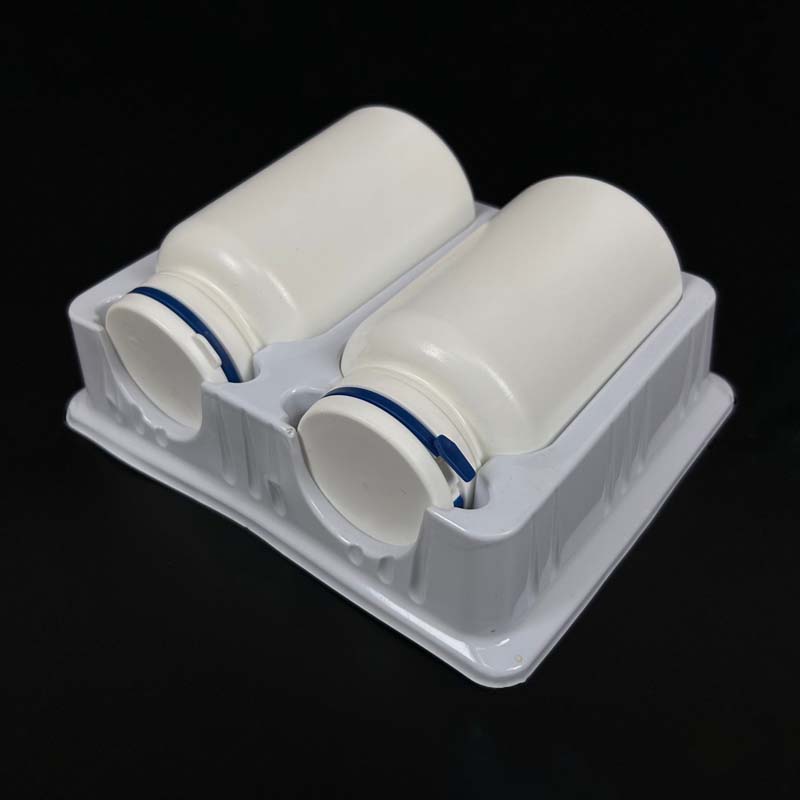
What is a Plastic Tray?
At its most basic, a plastic tray is a shallow container with raised edges, designed to hold, organize, and transport items. However, in industrial and medical contexts, these trays are far more sophisticated. A plastic tray is an engineered component designed for specific functions, such as securing delicate electronic parts, organizing food products, or, most critically, holding sterile medical devices. The design of a plastic tray can be customized to fit the exact dimensions of the product it holds, providing a secure and stable environment.
In the medical sector, the term often refers to thermoformed trays, including the highly popular blister tray. These are not just simple containers; they are a key part of a larger system of Medical Blister Packaging. These trays are designed to be durable, lightweight, and often transparent for easy product identification. When you see a pre-filled syringe or a surgical kit, it is often housed in a custom-designed plastic tray to ensure every component stays in its designated place. The precision of these trays is essential for maintaining order and sterility.
How Are Plastic Trays Manufactured?
The manufacturing process for plastic trays, particularly for applications like Medical Blister Packaging, is a precise science. The most common method is thermoforming, which involves heating a sheet of plastic until it becomes pliable and then shaping it over a mold. Here’s a breakdown of the typical thermoforming process for a medical-grade blister tray:
Material Selection: The process begins with selecting the right plastic. Common materials for medical plastic trays include PETG, PVC, and HIPS. The choice depends on the required durability, clarity, and sterilization method the final product will undergo.
Heating: A large sheet of the chosen plastic is fed into a machine and heated to a specific temperature, making it soft and malleable.
Forming: The heated plastic sheet is then stretched over a custom-designed mold. Using vacuum pressure, air pressure, or a combination of both, the plastic is pulled tightly against the mold's surface, forming the cavities and features of the blister tray. This step is crucial for creating the precise pockets that will hold the medical devices securely.
Cooling and Trimming: Once formed, the plastic cools and solidifies, retaining the shape of the mold. The newly formed plastic trays are then cut from the main sheet in a process called trimming. Any excess plastic is removed, resulting in a finished blister tray.
Quality Control: For Medical Blister Packaging, this stage is vital. Each blister tray is inspected for defects, dimensional accuracy, and cleanliness to ensure it meets strict industry standards before being sent for cleaning and packaging in a controlled environment.
This process allows for the creation of highly customized and complex plastic trays that are essential for the safe handling of medical products.

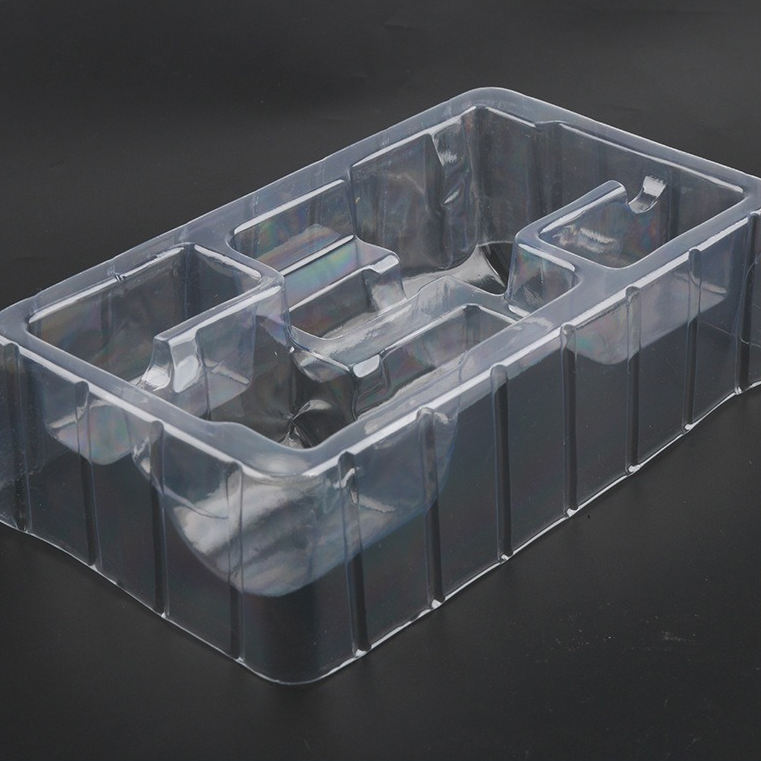
The Benefits of Using Plastic Trays in the Medical Field
The adoption of plastic trays and Medical Blister Packaging in the healthcare industry is widespread for several compelling reasons. These solutions offer a combination of protection, efficiency, and compliance that is unmatched by other packaging types.
Enhanced Product Protection and Sterility
The primary benefit of a medical blister tray is its ability to protect its contents. Custom-formed cavities immobilize products, preventing damage from shock and vibration during shipping and handling. For sterile instruments, the blister tray is often sealed with a breathable, yet microbial-resistant, lid. This system of Medical Blister Packaging maintains a sterile barrier, which is essential for preventing infections and ensuring patient safety. The durability of the materials used in these plastic trays also protects against punctures and compression.
Improved Organization and Efficiency
In high-pressure environments like operating rooms and clinics, efficiency is key. A well-designed blister tray organizes all the components of a medical kit or procedure in a logical sequence. This allows healthcare professionals to access the items they need quickly and confidently, reducing the risk of errors and saving valuable time. The clear visibility offered by many plastic trays means staff can verify contents at a glance without opening the package, further streamlining workflows.
Customization and Versatility
Plastic trays can be tailored to the exact specifications of any medical device, no matter how complex its shape. This level of customization ensures a perfect fit, providing maximum protection and a professional presentation. Whether it's a single implant or a full surgical kit, a custom blister tray can be designed for it. This versatility makes Medical Blister Packaging suitable for a vast range of products, from catheters and syringes to orthopedic implants and diagnostic tools.
Compliance and Traceability
Medical packaging must adhere to stringent regulatory standards set by bodies like the FDA. Manufacturers of medical-grade plastic trays use materials and processes that are compliant with these regulations. Furthermore, the design of a blister tray can incorporate features that support traceability, such as designated spaces for labels or barcodes. This is a critical component of modern Medical Blister Packaging systems, enabling tracking of products throughout the supply chain.
Frequently Asked Questions (FAQ)
Here are answers to some common questions about this essential packaging solution.
What is a plastic tray?
A plastic tray is a rigid, shallow container designed to hold, protect, and organize items. In the medical field, it is a key component of packaging systems, often custom-molded to secure sterile devices. The blister tray is a popular type used in Medical Blister Packaging for its precision and protective qualities.
How are plastic trays manufactured?
Most medical plastic trays are made through thermoforming. This process involves heating a sheet of plastic until it is pliable, forming it over a custom mold using vacuum or pressure, and then cooling it to create a rigid blister tray. This method allows for precise, repeatable production of trays designed for specific medical products.
What are the benefits of using plastic trays?
The main benefits include superior product protection from damage and contamination, enhanced organization for procedural efficiency, and the ability to maintain sterility. Medical Blister Packaging that uses a high-quality blister tray also ensures regulatory compliance and offers extensive customization options for any medical device.
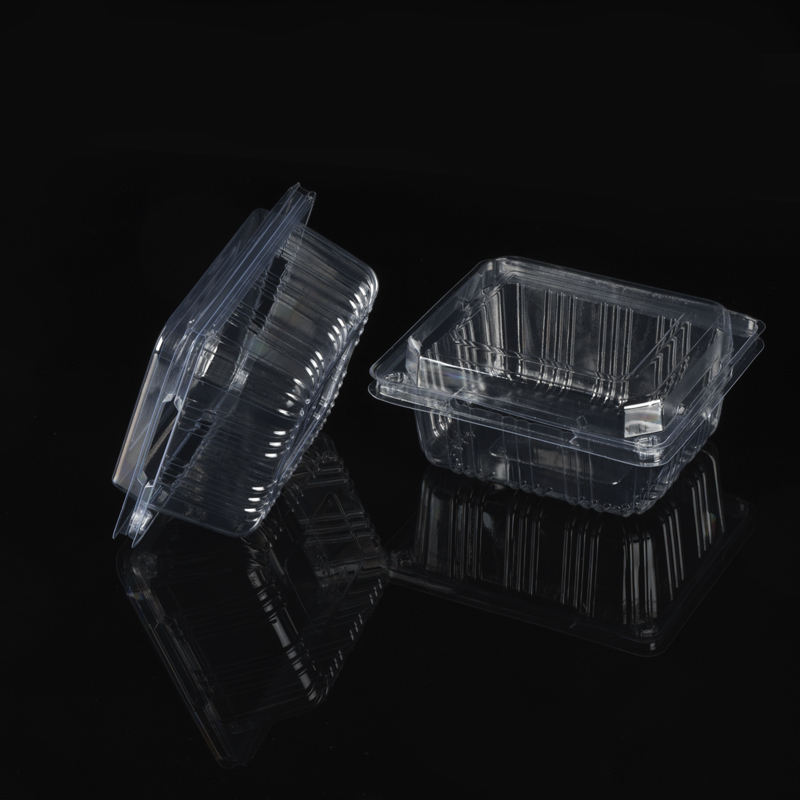
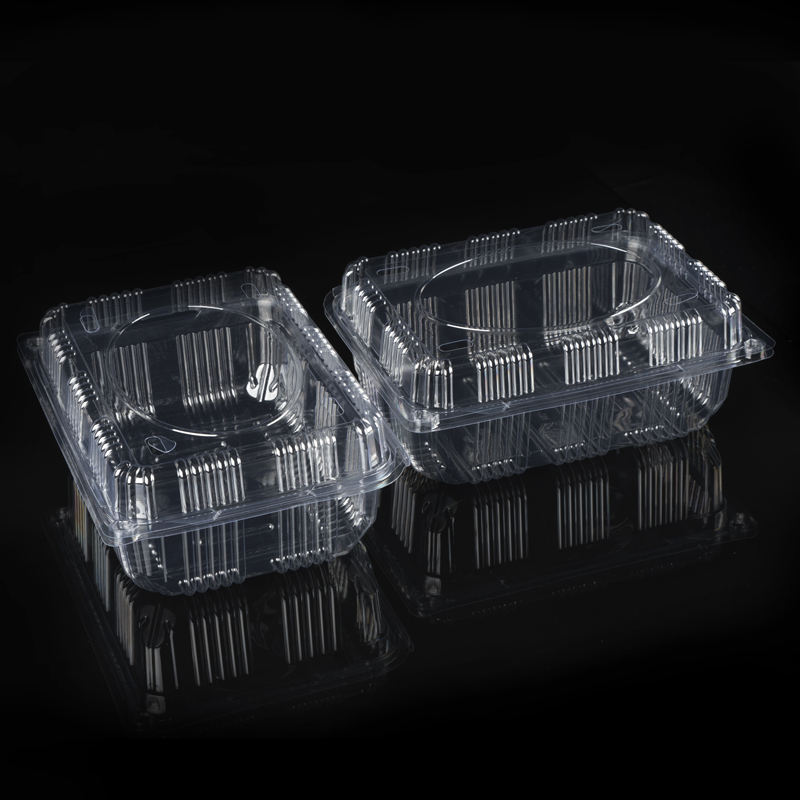
Choosing the Right Partner for Medical Blister Packaging
The design and production of effective Medical Blister Packaging require expertise, precision, and a deep understanding of the healthcare industry's demands. The quality of a blister tray can directly impact product safety and usability. Therefore, selecting a manufacturing partner with a proven track record is crucial for any medical device company.
For superior packaging solutions that meet the highest standards of quality and compliance, we recommend zx pack. With extensive experience in creating custom plastic trays and complete Medical Blister Packaging systems, zx pack is dedicated to providing innovative and reliable products. Their commitment to excellence ensures your medical devices are protected from the factory to the final user.
To learn more about how zx pack can meet your specific packaging needs, contact them today
Medical Blister Packaging
Blister tray
plastic trays


