Quick answer:
Thermoformed transparent containers provide excellent product visibility, strong structural protection, and effective tamper resistance. Manufacturers use these rigid plastic enclosures to protect merchandise during transit and display items securely on retail store shelves, ensuring consumers can inspect the product without damaging it.
Product visibility directly influences consumer purchasing decisions. Shoppers strongly prefer to see exactly what they are buying before spending their hard-earned money. Transparent plastic containers solve this problem by offering a clear, unobstructed window into the product itself.
Modern manufacturers face a difficult balancing act. They must display goods beautifully to attract buyers while simultaneously protecting those items from theft, dust, and shipping damage. High-quality clamshell blister packaging addresses all these requirements seamlessly. This two-sided plastic shell features a hinge that allows it to fold over and snap together, encasing the retail item completely in a durable, protective bubble.
Selecting the proper container format drastically impacts your shipping costs, shelf appeal, and environmental footprint. This comprehensive guide explores the structural mechanics of rigid transparent enclosures, compares common forming materials, and outlines how to choose the optimal presentation style for your unique merchandise.
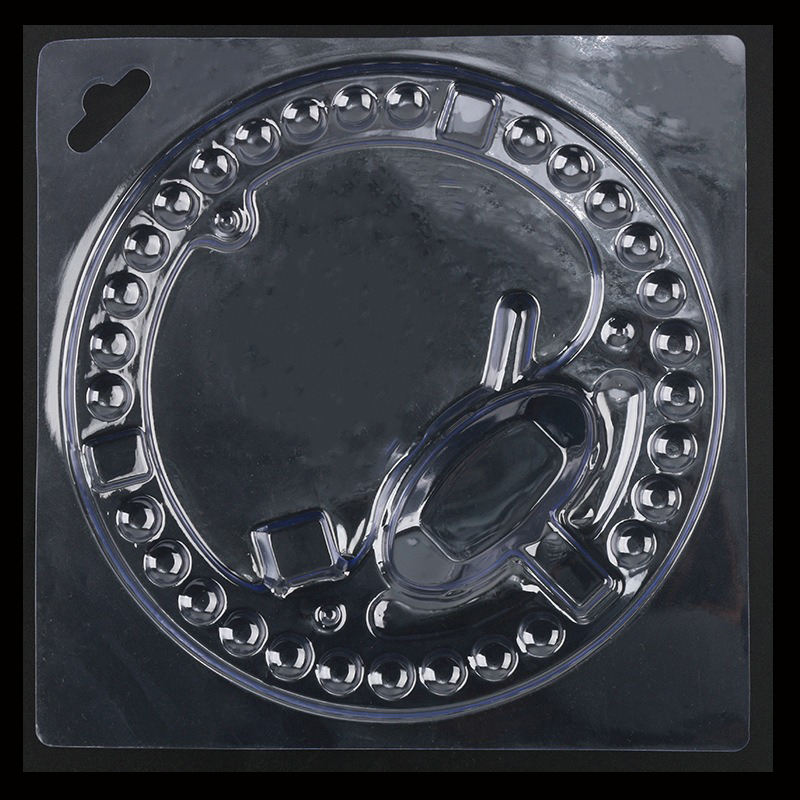
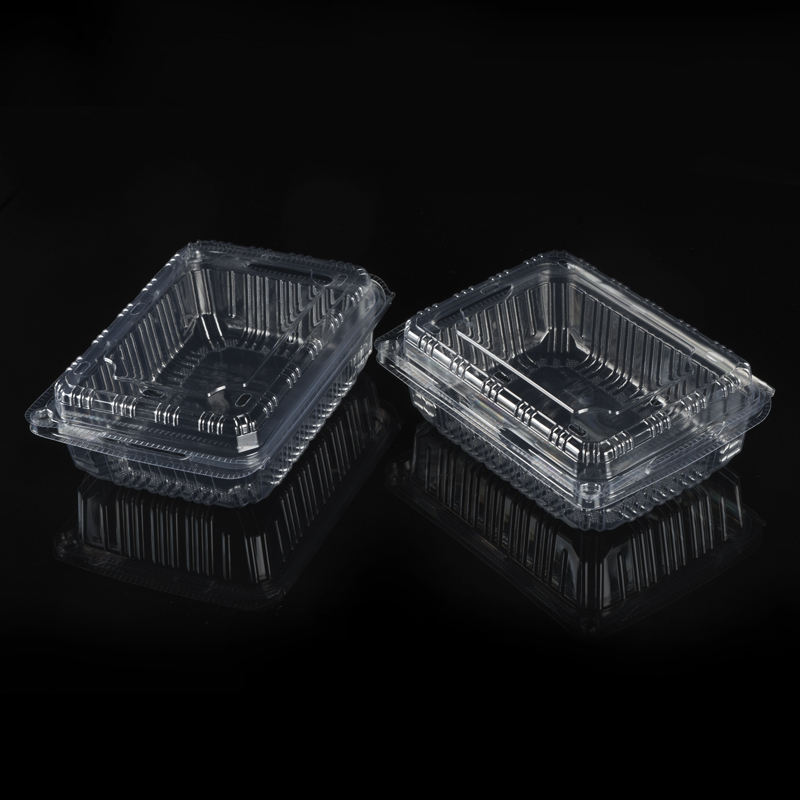
What are the primary structural benefits of rigid transparent enclosures?
Clear plastic enclosures dominate the retail landscape for several highly practical reasons. First and foremost, they eliminate consumer guesswork. When buyers can physically see the hardware, cosmetic item, or electronic accessory, their purchasing confidence increases significantly.
Beyond visual appeal, these structured plastics offer exceptional physical protection. The thermoforming process creates custom cavities molded precisely to the shape of the enclosed item. This exact fit prevents the product from shifting or vibrating during transportation, effectively reducing breakage rates. The rigid outer shell also absorbs impact forces if a store employee drops the item while stocking shelves.
Theft deterrence represents another major advantage. Small, high-value items are frequent targets for shoplifters. By placing a small USB drive inside a much larger, rigid plastic shell, the item becomes incredibly difficult to conceal in a pocket. Retailers often mandate this type of bulky, hard-to-open housing for electronics to minimize inventory shrinkage.
Which industries rely on thermoformed plastic solutions most?
Different sectors utilize clear plastic forming techniques to solve unique logistical and presentation challenges. The specific container style changes based on the product's fragility, value, and regulatory requirements.
How do healthcare companies secure daily medications?
The healthcare sector requires absolute precision, strict hygiene protocols, and clear dosage control. Doctors and pharmacists rely on specialized, sealed containers to keep pills sterile until the exact moment of consumption. A standard capsule blister pack features individual formed cavities for each pill, typically backed by a thin aluminum foil seal.
Patients push the medication through the foil backing to access a single dose. This reliable method tracks daily usage effortlessly, prevents cross-contamination, and protects sensitive compounds from moisture and air exposure. Pharmaceutical companies prioritize this format because it extends product shelf life and provides clear tamper evidence. If a seal is broken, the consumer knows immediately.
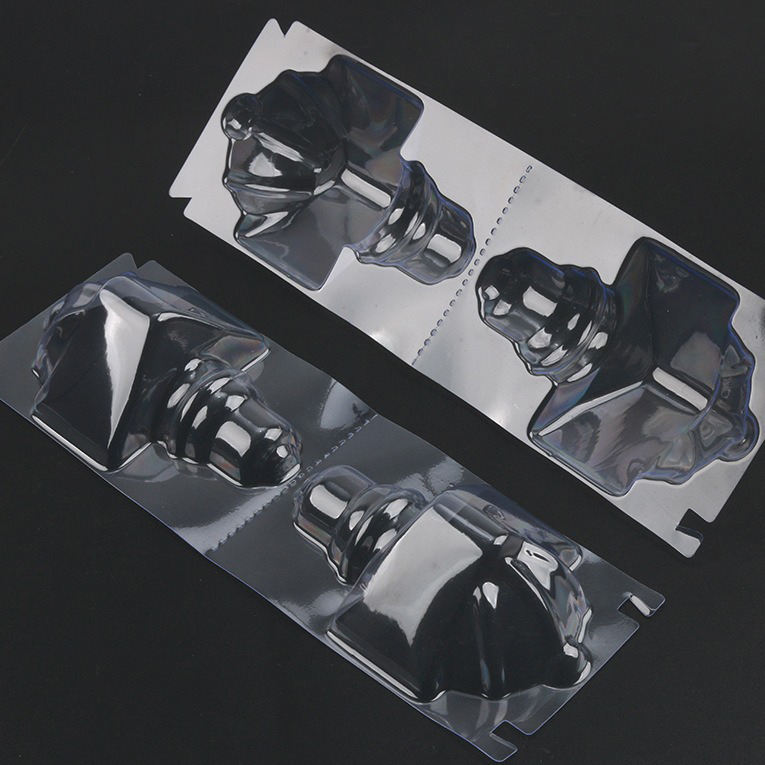
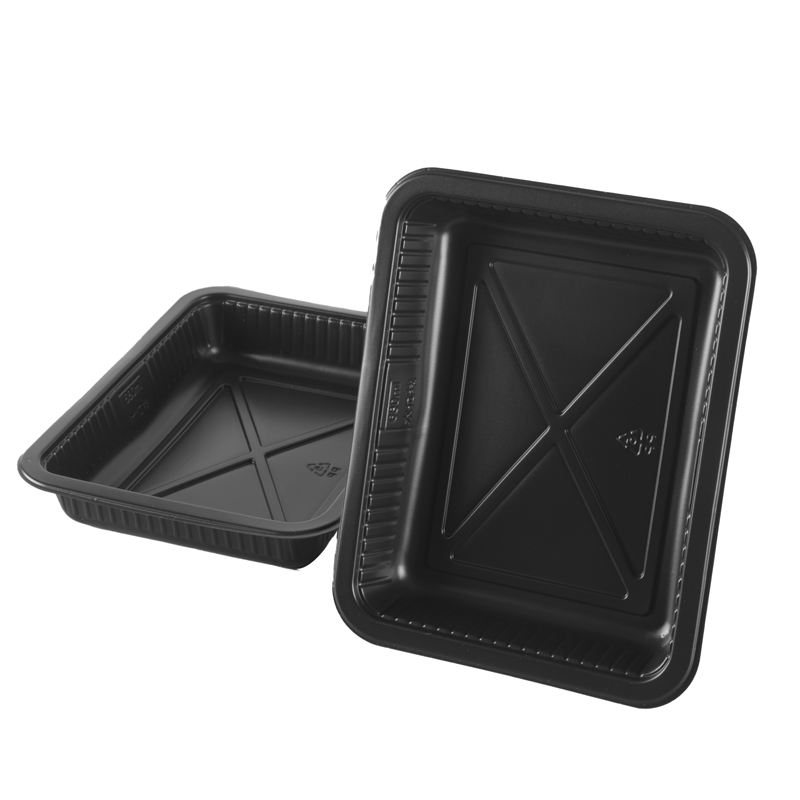
Why do retail brands choose paper-backed plastic displays?
Walk down the aisle of any hardware store or supermarket, and you will notice hundreds of hanging products. Small consumer goods like batteries, superglue, and lip balm require a display method that maximizes vertical shelf space.
Brands frequently attach a printed paperboard backing to a clear plastic front piece. This classic layout, known as blister card packaging, provides ample surface area for bold marketing graphics, barcode scanning, and safety instructions on the cardboard backing. Meanwhile, the protruding clear plastic front firmly holds and displays the physical item. It is a highly cost-effective strategy for lightweight goods that need to hang neatly on standardized retail pegboards.
How do different thermoforming materials compare?
Selecting the right plastic polymer dictates the clarity, strength, and recyclability of your final container. Engineers heat flat plastic sheets until pliable, then use vacuums and molds to pull the material into its final three-dimensional shape.
The table below outlines the performance characteristics of the most commonly used forming plastics.
| Material Type | Visual Clarity | Impact Resistance | Primary Industrial Use Case |
| Polyvinyl Chloride (PVC) | High | Excellent | Low-cost consumer electronics |
| Polyethylene Terephthalate (PET) | Very High | Excellent | Eco-friendly retail displays |
| High-Density Polyethylene (HDPE) | Low | Superior | Heavy industrial components |
| Polystyrene (PS) | Medium | Moderate | Disposable food service trays |
| Polypropylene (PP) | Medium | High | High-heat medical sterilization |
Choose PET over PVC if environmental sustainability matters more to your target audience than marginal cost savings. PET carries the #1 recycling code and is widely accepted by municipal recycling facilities globally, making it the preferred choice for modern, eco-conscious retail brands.
What are the best methods for sealing transparent enclosures?
The level of security you need dictates your sealing strategy. Different sealing methods offer varying balances of consumer convenience and theft prevention.
Friction-fit snap closures feature molded buttons and recesses that click together. This method allows consumers to open and close the container repeatedly. Choose a simple snap closure if your product requires a reusable storage case, such as a set of drill bits or specialized crafting tools.
High-frequency (RF) sealing provides maximum security. This industrial process uses electromagnetic energy to melt the two plastic layers together, creating a permanent, welded bond. Thieves cannot open an RF-sealed package without using heavy scissors or a knife. Choose RF sealing if you are selling high-value, highly targeted electronics that require strict loss prevention measures.
Next steps for upgrading your product presentation
Transitioning to a structured transparent enclosure protects your merchandise while elevating your brand's perceived value. Begin your packaging overhaul by measuring your product's exact dimensions and identifying its most vulnerable stress points. Evaluate your local recycling regulations to determine the best plastic polymer for your market. Finally, collaborate closely with an experienced thermoforming manufacturer to design a custom cavity that highlights your product's best physical features.
Frequently asked questions about clear retail enclosures
What is the typical turnaround time for custom thermoformed designs?
Creating a custom mold generally takes between three to five weeks. The process begins with 3D CAD modeling, moves to 3D-printed prototyping for physical fit testing, and concludes with machining the final aluminum production mold.
Are transparent plastic display cases environmentally friendly?
They can be highly sustainable if manufactured using Polyethylene Terephthalate (PET). PET is 100% recyclable. Additionally, many manufacturers now offer enclosures made from post-consumer recycled (PCR) plastics, significantly reducing the reliance on virgin fossil fuels.
How much does custom tooling cost for new container shapes?
Custom aluminum molds for high-volume thermoforming typically range from $1,500 to $5,000, depending on the complexity and depth of the design. Standardized, pre-existing molds cost nothing but offer less customization for uniquely shaped products.
Which sealing method offers the highest level of tamper evidence?
Radio Frequency (RF) heat sealing provides the strongest tamper evidence. It welds the plastic edges together permanently. If someone attempts to pry the package open, the plastic will physically tear and warp, making interference immediately obvious to store employees and consumers.


