TL;DR:
Clamshell blister packaging is a hinged, transparent plastic enclosure widely used in food, medical, retail, and electronics industries. It shields products from contamination and physical damage, offers strong tamper resistance, and supports full product visibility. Businesses across sectors choose it for its durability, customization flexibility, and cost-effectiveness.
Walk down any retail aisle and you'll notice it immediately—that rigid, clear plastic shell snapped tightly around a product, revealing exactly what's inside while keeping it completely secure. That's clamshell blister packaging at work. Simple in concept, powerful in application.
From fresh produce to pharmaceutical tablets, this packaging format has become a go-to solution for manufacturers and retailers who need protection without sacrificing presentation. But what exactly makes clamshell packaging so effective? And how does it perform across different industries? This guide breaks it all down.
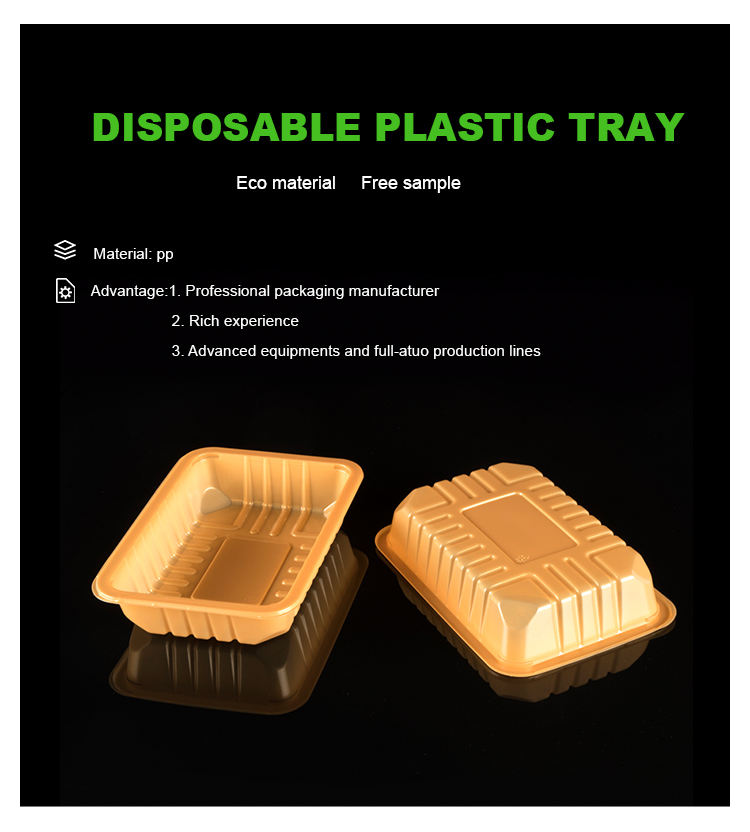
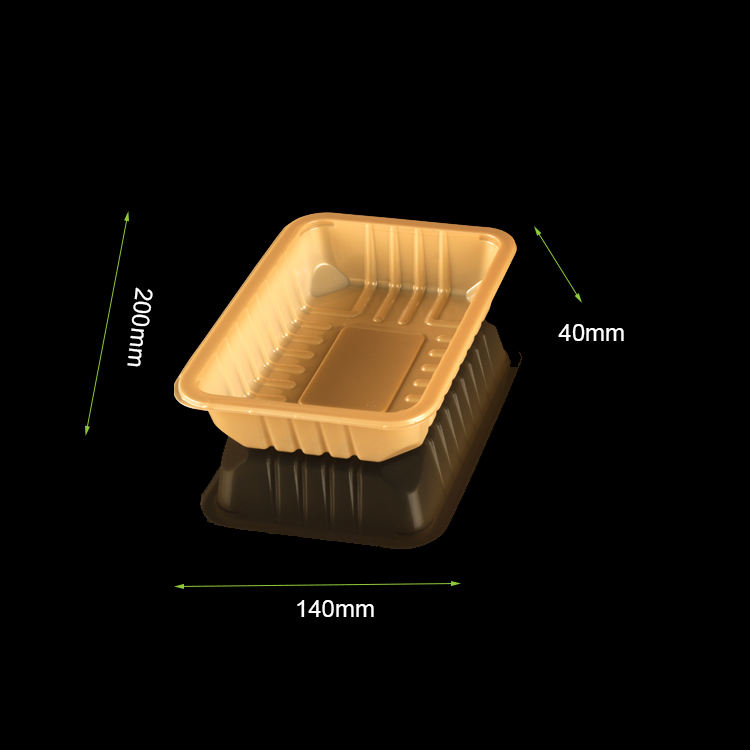
What Is Clamshell Blister Packaging?
Clamshell packaging refers to a two-sided plastic container joined by a hinge, designed to open and close like—you guessed it—a clamshell. It's a form of clamshell blister packaging that combines the visual clarity of traditional blister packs with the structural integrity of a rigid enclosure.
Common materials include PET (polyethylene terephthalate), PVC (polyvinyl chloride), and PP (polypropylene). Each material offers a different balance of clarity, flexibility, and chemical resistance, making the format adaptable to a wide range of product types and regulatory environments.
Key structural characteristics include:
Hinged design that allows the package to open without tearing or cutting
Transparent panels for full product visibility before purchase
Snap-lock or heat-sealed closures for tamper evidence
Custom molded cavities that cradle the product snugly
How Clamshell Blister Packaging Compares to Other Blister Formats
Not all blister packaging works the same way. The format you choose affects product protection, retail presentation, and manufacturing cost. Here's a quick comparison:
Packaging Type | Hinge/Opening Style | Tamper Evidence | Best For |
Clamshell Blister | Hinged, snap-close | High | Retail, food, hardware |
Flat Blister Card | Peelable backing | Medium | Pharmaceuticals, small parts |
Slide Blister | Sliding tray | Low–Medium | Electronics, cosmetics |
Sealed Blister Tray | Heat-sealed lid | High | Medical, food |
Folded Blister | Folded flap | Medium | Toys, accessories |
Clamshell formats rank among the highest for tamper resistance and reusability, which is why they're increasingly common in consumer-facing retail applications.
Why Businesses Choose Clamshell Packaging
What protection advantages does clamshell blister packaging offer?
The rigid shell structure of clamshell packaging provides impact resistance that softer packaging simply cannot match. Products stay protected during shipping, handling, and time on shelf—without the need for additional padding or secondary packaging.
Tamper evidence is another strong point. A sealed or snap-closed clamshell shows clear signs of interference if opened, which matters significantly in high-trust product categories like food and medicine. Consumers can see if a package has been compromised before they buy.
Is clamshell packaging a cost-effective choice for manufacturers?
Yes—especially at scale. Thermoforming clamshell molds from PET or PVC is a relatively low-cost process once tooling is established. The material itself is lightweight, which reduces shipping costs. And because the clear shell doubles as both protection and display, brands often spend less on secondary display materials or cardboard inserts.
Custom molding also means no wasted space. The cavity is shaped to fit the product precisely, reducing internal movement and the risk of damage in transit.
Clamshell Blister Packaging Across Key Industries
Food and Beverage
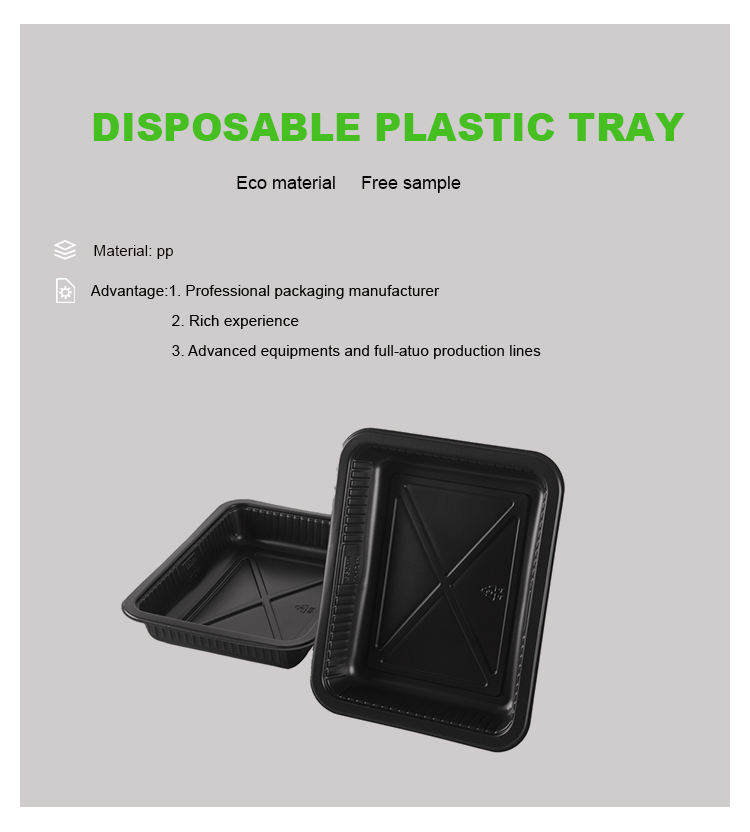
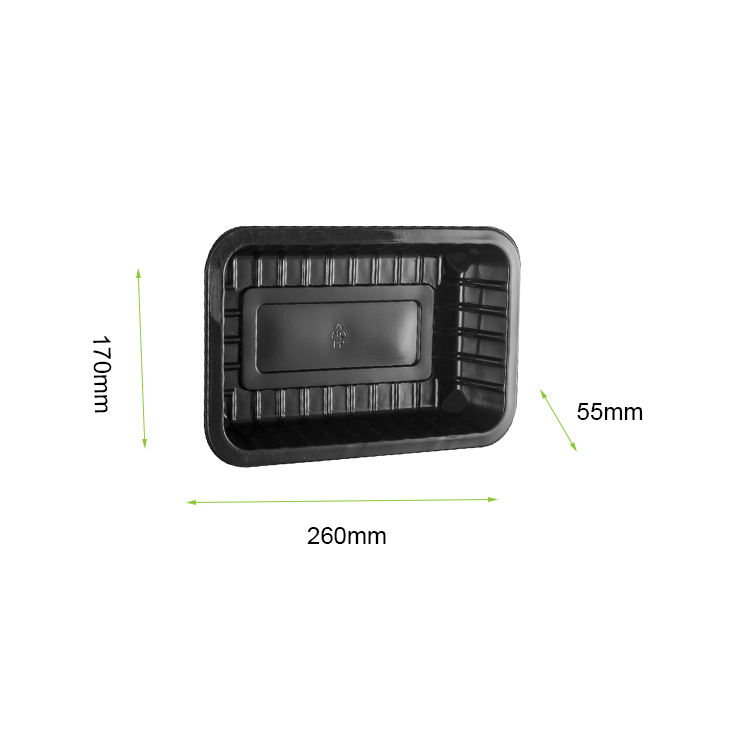
Fresh produce, deli meats, baked goods, and portion-controlled snacks all benefit from clamshell formats. The hermetic seal keeps food fresh longer, while the transparent shell lets consumers inspect the product before buying—a key factor in food purchasing decisions.
Food Blister Packaging solutions are typically made from food-grade PET or PP, both of which are approved for direct contact with consumables. Some formats are also available in CPET (crystallized PET), which can withstand oven temperatures, making them suitable for ready-meal trays.
Sustainability is a growing concern here. Many manufacturers are now shifting to recyclable mono-material clamshells to meet retailer and consumer demands for reduced plastic waste.
Medical and Pharmaceutical
In medical settings, packaging isn't just a container—it's part of the product's safety profile. Medical Blister Packaging must meet strict regulatory standards for sterility, barrier protection, and traceability.
Clamshell formats in medical applications often incorporate:
Anti-static materials to protect sensitive devices
Validated heat-seal integrity to maintain sterile barriers
Clear labeling surfaces for lot numbers and expiration dates
Child-resistant closures for pharmaceutical products
Medical device manufacturers, in particular, rely on clamshell packaging to ensure that surgical instruments, diagnostic tools, and implantable components arrive sterile and undamaged.
Retail Electronics and Hardware
Electronics and hardware products face a different set of challenges: static damage, physical impact, and retail theft. Clamshell packaging addresses all three. The rigid shell protects against drops and compression. Static-dissipative materials protect circuit boards and sensitive components. And the tamper-evident seal deters in-store theft—a significant concern in open retail environments.
For hardware items like screws, hinges, and brackets, clamshell packaging also simplifies inventory management. Products are visible, quantities are clear, and the package itself can hang on a retail peg hook for organized display.
What to Look for When Sourcing Clamshell Blister Packaging
Choosing the right supplier comes down to more than price. Here are the most important criteria to evaluate:
Material certifications: Confirm that materials meet relevant standards (FDA for food contact, ISO for medical use)
Customization capability: Can the supplier produce tooling to your product's exact dimensions?
Minimum order quantities: Lower MOQs matter for startups and seasonal product lines
Sustainability options: Are recyclable or bio-based materials available?
OEM/ODM support: Can the supplier handle design-to-production services under your brand?
Working with a manufacturer that offers OEM and ODM services gives brands greater control over the final product without managing an in-house production line.
Frequently Asked Questions
What materials are most commonly used in clamshell blister packaging?
PET and PVC are the most widely used materials. PET is preferred for food and medical applications due to its clarity, recyclability, and chemical resistance. PVC offers greater flexibility and is common in retail and electronics packaging. PP is used when heat resistance or reusability is required.
How does clamshell blister packaging differ from standard blister packs?
Standard blister packs typically consist of a preformed plastic cavity sealed to a flat cardboard or foil backing. Clamshell packaging, by contrast, is a fully enclosed plastic shell with a hinge—no separate backing required. This makes clamshells more rigid, more tamper-resistant, and easier to open and reseal.
Is clamshell blister packaging recyclable?
It depends on the material. PET clamshells are widely recyclable through standard recycling streams. PVC is more difficult to recycle and is increasingly restricted in some markets. Brands prioritizing sustainability should specify PET or PP, and confirm that local recycling infrastructure supports the chosen material.
How long does it take to produce custom clamshell tooling?
Lead times vary by supplier and design complexity, but tooling for a custom clamshell mold typically takes two to four weeks. Simple modifications to existing molds can be faster. Production runs begin once tooling is approved.
Can clamshell packaging be used for medical devices?
Yes. Medical-grade clamshell packaging is produced under controlled manufacturing conditions and uses materials that meet sterility and barrier requirements. Suppliers serving the medical industry should hold relevant certifications, such as ISO 13485, and provide documentation to support regulatory submissions.


