Are you wondering how to responsibly dispose of the containers left over after dinner? You might look at those sleek, dark containers holding your meals or fresh produce, pausing over the recycling bin. They seem like ordinary plastic, yet local guidelines often reject them. Sorting waste correctly matters deeply for our environment, especially when dealing with everyday household items.
We will explore exactly why these specific items cause trouble at recycling facilities. You will learn the mechanics behind waste sorting, discover what makes certain containers problematic, get practical solutions for managing your waste, and find out which alternatives offer better sustainability.
Why Are Black Plastic Food Trays So Difficult To Recycle?
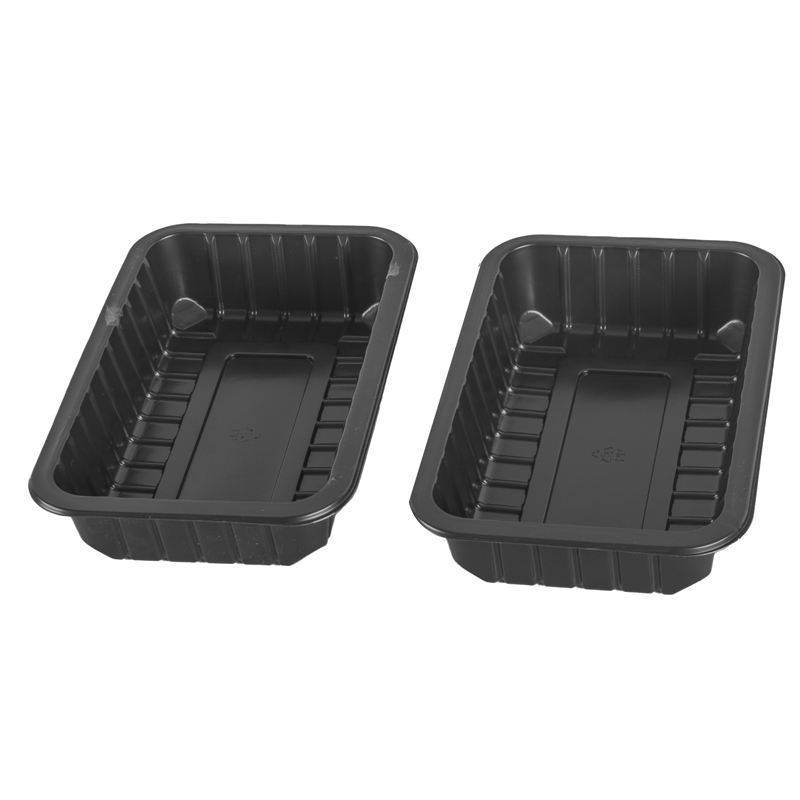
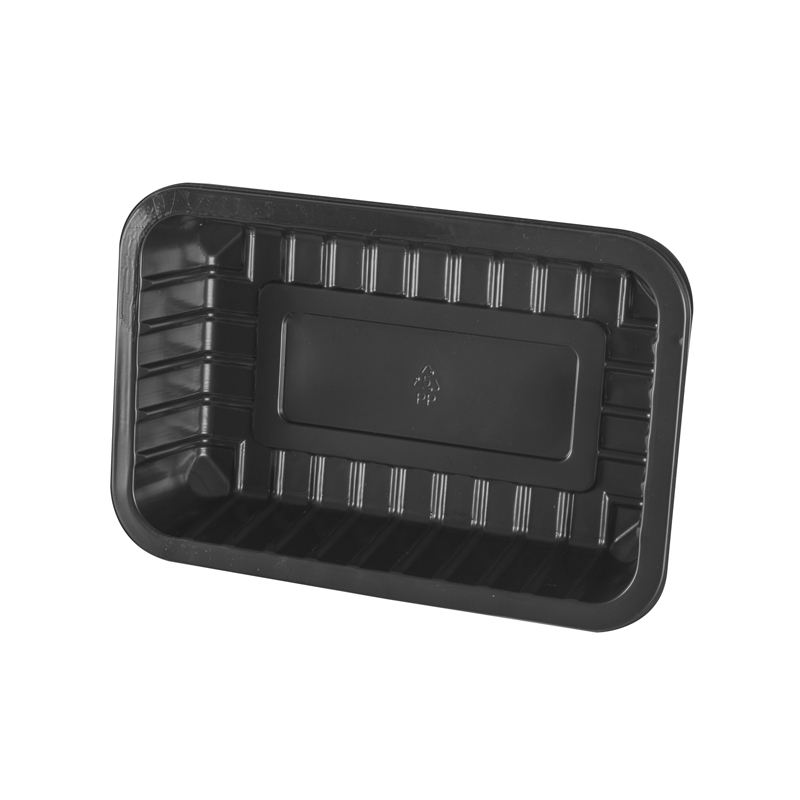
When you place plastic food trays in your recycling bin, you likely assume they will simply melt down to become new products. Sadly, the reality of recycling these items is much more complicated. The primary issue stems from the specific pigment used to color the material. Most manufacturers use carbon black pigment to create that dark, uniform appearance.
This pigment creates massive problems for the sorting facilities. Recycling plants use Near Infrared (NIR) optical sorting machines to identify different types of materials. The carbon black pigment absorbs the infrared light rather than reflecting it back to the sensor. As a result, the machines simply cannot "see" the black plastic food trays. Since the machines cannot identify the material, they send these containers straight to the landfill or incinerator.
What Types Of Food Packaging Cannot Be Recycled Easily?
Beyond just the dark color, food packaging presents multiple hurdles for effective recycling. Many modern containers consist of mixed materials designed to keep meals fresh longer. For instance, a container might feature a rigid base with a flexible film lid, or contain multiple layers of different polymers. These mixed materials make separation incredibly difficult for standard recycling plants.
Additionally, food contamination ruins many batches of potentially recyclable plastic food trays. When you leave grease, cheese, or food residue inside your plastic food trays, you contaminate the recycling stream. Paper-based food packaging suffers even more from grease contamination, rendering it completely unrecyclable.
How Do Optical Sorting Machines Miss Black Plastic Food Trays?
To truly grasp the problem, we must ask how the sorting technology actually functions. As items travel rapidly along a conveyor belt, optical scanners beam light onto every piece of waste. Different polymers reflect this light at distinct wavelengths, allowing the computer system to categorize them. Jets of air then blast the recognized materials into their appropriate sorting bins.
Because black plastic food trays absorb this light, no signal bounces back to the scanner. The computer registers a void on the conveyor belt. Therefore, perfectly good material ends up categorized as general waste.
Are There Better Alternatives For Food Packaging Available Now?
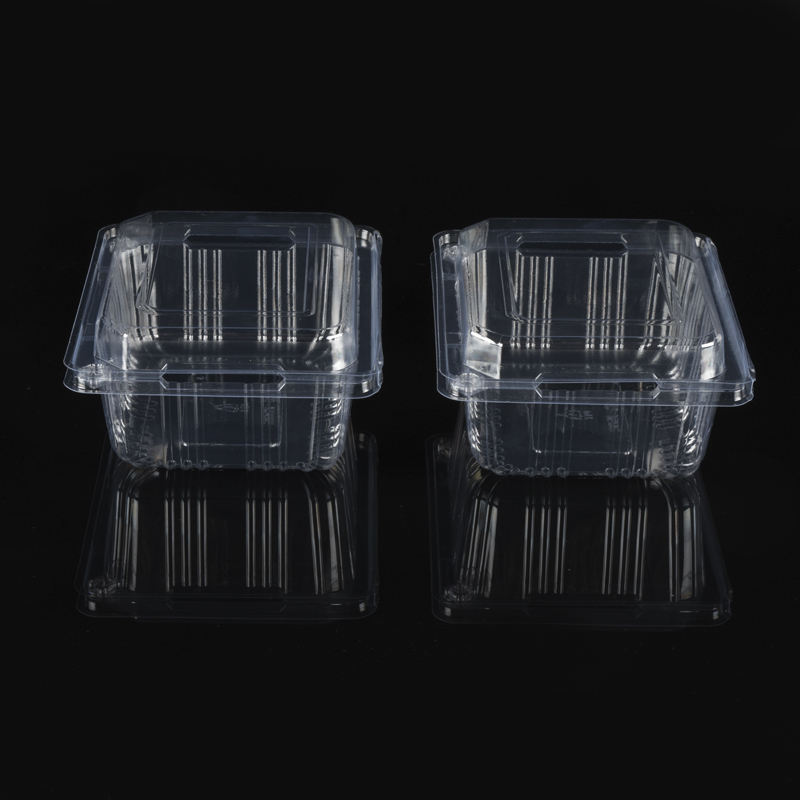
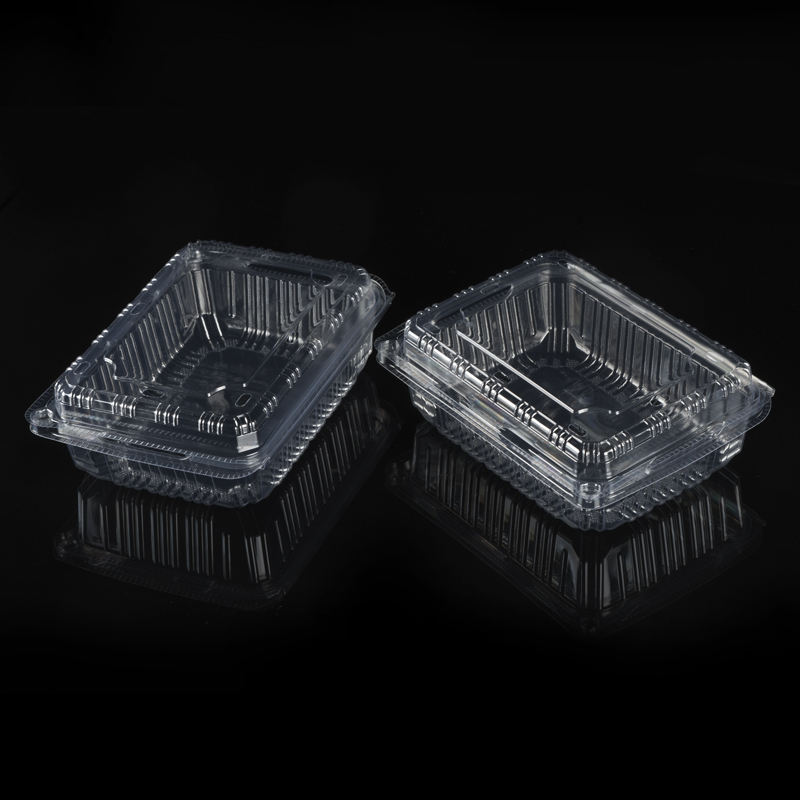
Fortunately, the industry recognizes this issue and actively develops better food packaging options. Many companies now transition toward clear or lightly tinted plastic food trays. Clear containers reflect light beautifully, allowing optical sorters to easily identify the PET or PP polymers.
Some manufacturers also experiment with detectable black pigments. These new pigments create the desired dark appearance but still reflect the necessary infrared light. Other brands switch to entirely different food packaging materials, such as compostable molded fiber or recycled cardboard.
How Do Different Materials Compare For Food Packaging?
Do you want to know how various materials stack up against each other? The following table breaks down common options used for preserving meals and produce.
Material Type | Can Scanners See It? | Is It Widely Recyclable? | Common Uses |
Clear PET Plastic | Yes | Yes | Fresh produce boxes |
Black Plastic Food Trays | No | No | Microwave meals |
Detectable Black Plastic | Yes | Yes | Premium ready meals |
Molded Fiber | N/A (Compostable) | Often | Egg cartons, takeout |
Aluminum Foil | Yes | Yes | Hot food delivery |
Which Materials Make Up Standard Plastic Food Trays?
Manufacturers primarily rely on two major types of plastic to create plastic food trays: Polyethylene Terephthalate (PET) and Polypropylene (PP). PET offers excellent clarity and strength, making it ideal for cold items like salads or fresh fruit. You can easily recognize PET by its standard recycling symbol with the number 1 inside. PP, stamped with the number 5, withstands high temperatures beautifully, making it the top choice for microwaveable plastic food trays.
Both PET and PP hold high value in the recycling market when left clear or transparent. The trouble only begins when manufacturers add the problematic dark dyes to these otherwise highly recyclable materials.
Is Contamination A Problem For Used Plastic Food Trays?
Absolutely. Even if you purchase food packaging made from clear, easily recyclable materials, you must clean it thoroughly. Recycling facilities cannot process plastic food trays covered in sticky sauces or grease.
When you toss dirty plastic food trays into the bin, they might soil other perfectly clean items nearby, like paper or cardboard. Always rinse your food packaging with warm water before placing it in the recycling bin. You do not need to scrub it perfectly spotless with soap, but removing all physical food residue is crucial.
What Are The Common Myths About Recycling Plastic Food Trays?
Many consumers hold misconceptions about how waste management actually works. Let us address some common myths surrounding food packaging.
Do The Recycling Arrows Mean An Item Is Definitely Recyclable?
No, the chasing arrows symbol merely indicates the type of plastic resin used to make the item. It does not guarantee that your local facility can actually process that specific material. Many black plastic food trays feature the recycling symbol, misleading consumers into tossing them in the blue bin.
Does Everything Placed In The Recycling Bin Get Recycled?
Unfortunately, no. Facilities operate strictly as businesses. If they cannot identify, sort, or sell a material profitably, they discard it. This is why tossing unrecyclable plastic food trays into the bin hoping for the best—a practice called "wishcycling"—actually harms the recycling process by slowing down sorting lines.
Are All Types Of Food Packaging Handled The Same Way?
Different municipalities utilize vastly different equipment. What one city accepts, another city might reject. Always check your local guidelines regarding specific food packaging items rather than assuming universal rules apply.
How Can Consumers Reduce The Use Of Unrecyclable Food Packaging?
You possess significant power to change the market through your purchasing habits. Every time you shop, you vote for the type of food packaging you prefer.
First, try selecting products housed in clear or transparent plastic food trays whenever possible. Avoid buying produce or meals wrapped in dark containers. If your favorite brands still use unrecyclable food packaging, consider politely emailing their customer service department to request a change to sustainable alternatives.
Second, utilize reusable containers when buying items in bulk or taking leftovers home from restaurants. Reducing the overall demand for single-use plastic food trays directly decreases the volume of waste entering our landfills.
Finally, repurpose those dark plastic food trays at home instead of throwing them away immediately. They make excellent seed starters for your garden, handy drawer organizers for screws and nails, or paint palettes for children's art projects. By giving these plastic food trays a second life, you delay their journey to the landfill.
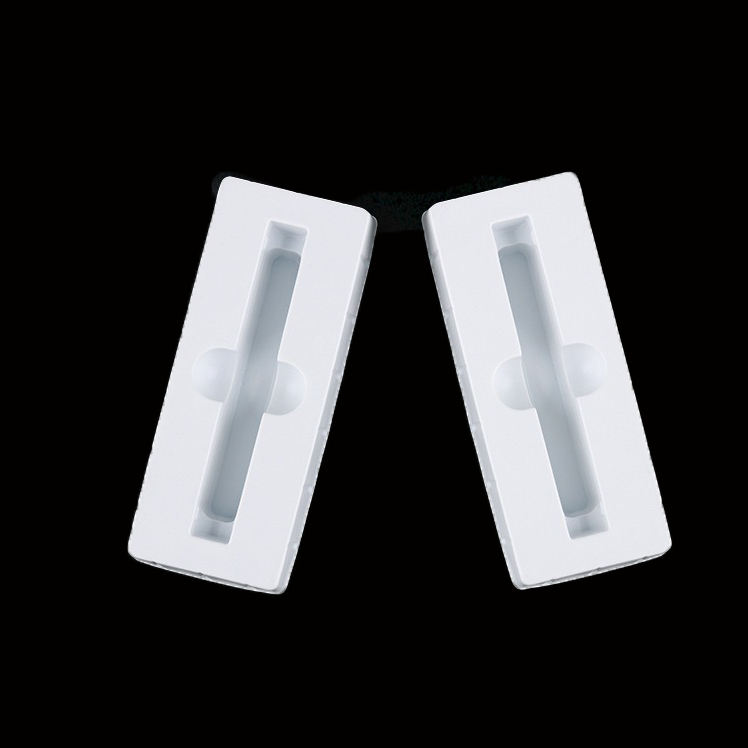
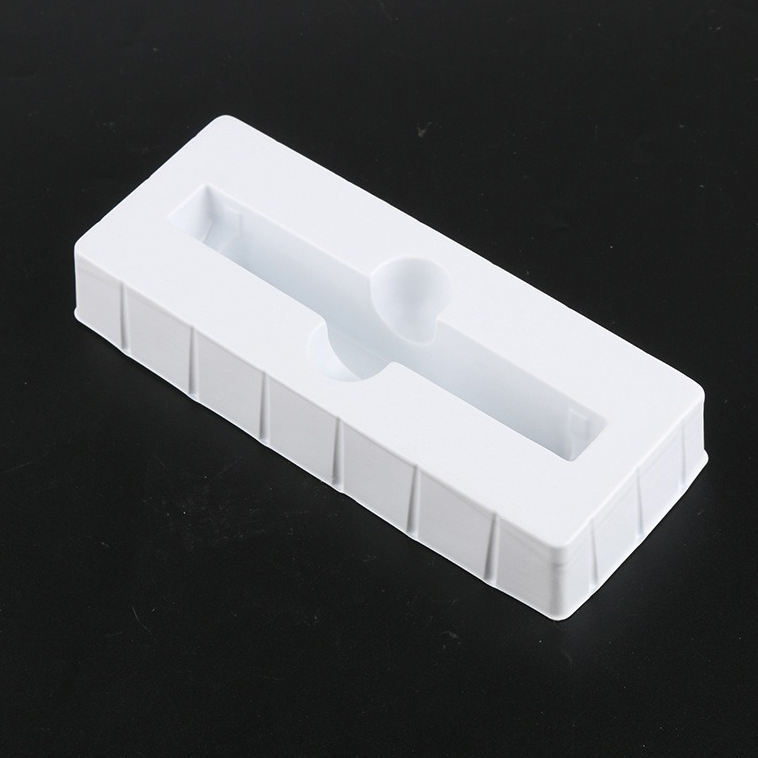
Frequently Asked Questions About Recycling Plastic Food Trays?
Can I recycle clear plastic food trays easily?
Yes, most local facilities gladly accept clear plastic food trays made of PET or PP. Just ensure you wash them thoroughly to remove all food residue before tossing them in the bin.
Why do companies still use black plastic food trays if they are bad for the environment?
Companies prefer dark food packaging because it hides blood or juices from meat products, making the food look more appealing on supermarket shelves. Additionally, manufacturers can mix various colors of cheap scrap plastic to create black containers, keeping their production costs very low.
What should I do with the film lid attached to my plastic food trays?
You must completely remove the thin plastic film lid from your plastic food trays before recycling the rigid base. Most local facilities cannot process flexible films alongside rigid plastics. You usually need to discard the film in your regular trash.
How do I know if my local facility accepts specific food packaging?
The best approach involves checking your local city or county waste management website. They usually provide a detailed search tool or a downloadable guide explaining exactly which plastic food trays and food packaging materials they accept.
Is it better to throw questionable food packaging in the trash or the recycling bin?
When in doubt, throw it out. Placing unrecyclable plastic food trays into the recycling bin contaminates the good materials and causes machine jams at the sorting facility.
If your business needs reliable, environmentally conscious solutions for storing and transporting goods, we highly recommend zx pack. They provide exceptional options tailored to modern industry needs.
Email: zszxpack@163.com
Phone: +8615323960092
plastic food trays
food packaging
large plastic tray


