Have you ever walked through the aisles of a pharmacy or a hardware store to notice products securely encased in a clear bubble of plastic? If so, you have already encountered one of the most popular forms of packaging in the retail world. This packaging style offers a unique combination of product visibility, robust protection, plus cost-effective manufacturing. For business owners or curious consumers asking what makes these packages so effective, the answer lies in understanding the specific design of the blister box.
A blister box is not merely a piece of plastic; it is an engineered solution designed to keep items safe from the factory floor to the customer's home. Whether you are selling small electronics, batteries, or pharmaceutical tablets, utilizing a plastic blister pack ensures your item remains untouched while fully displayed. In a competitive retail environment where shelf presence is everything, understanding the utility of blister packs is essential for driving sales plus maintaining product integrity.
What is a blister box?
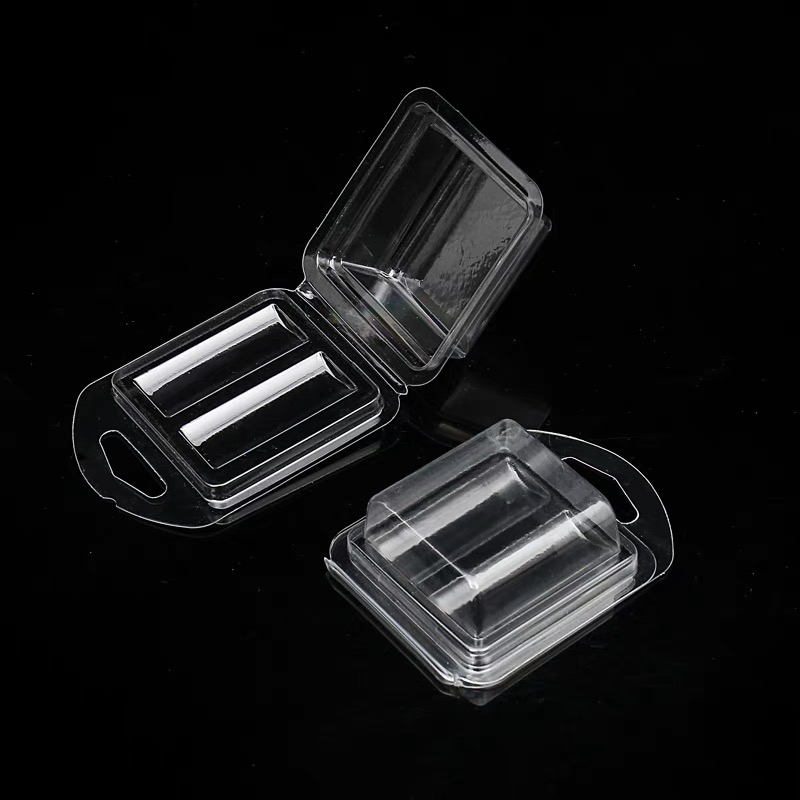
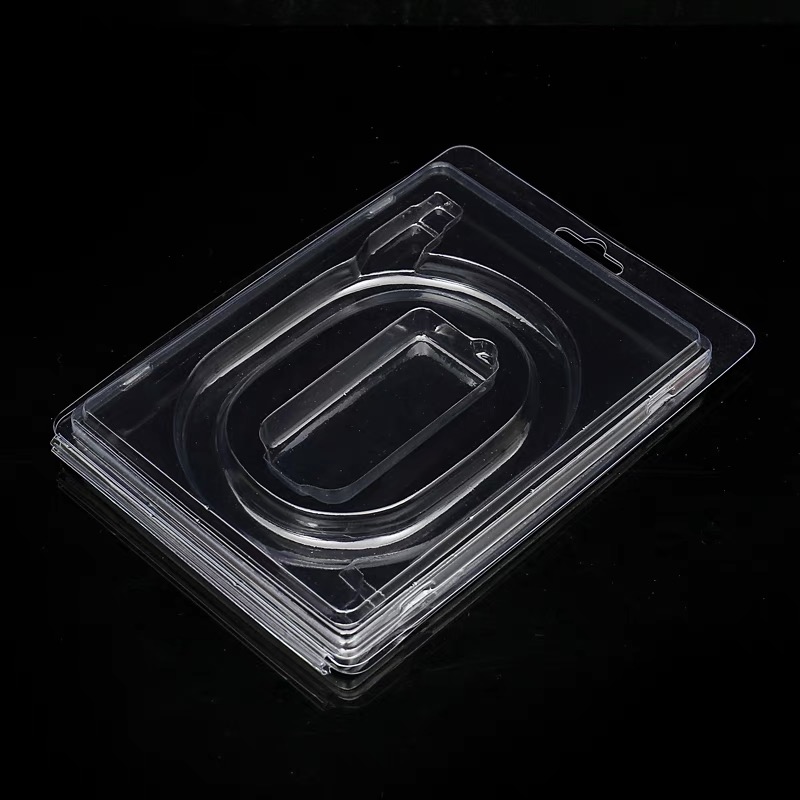
A blister box is a type of pre-formed plastic packaging used for small consumer goods, foods, or pharmaceuticals. The primary component of a blister box is a cavity or pocket made from a formable web, usually a thermoformed plastic. This usually has a backing of paperboard or a lidding seal of aluminum foil or plastic.
The term specifically refers to the "blister" or the bubble that is created to house the product. When you look at a plastic blister pack, you are seeing a custom-molded shape that fits the product perfectly. This tight fit prevents the item from moving around during transit, which significantly reduces the risk of damage.
While the term blister box is often used interchangeably with blister packs, they all serve the same fundamental purpose. They provide a secure, transparent, plus durable enclosure. A plastic blister pack is created through a process called thermoforming, where a plastic sheet is heated to a pliable forming temperature, formed to a specific shape in a mold, effectively trimmed to create a usable product. This versatility allows the blister box to be adapted for anything from a single toothbrush to a complex set of action figures.
Why is a plastic blister pack used in modern packaging?
Why do so many manufacturers choose a plastic blister pack over a simple cardboard box? The primary reason is visibility. In modern retail, customers want to see what they are buying before they make a purchase. A blister box allows the consumer to view the product from multiple angles without opening the package.
Furthermore, a plastic blister pack offers excellent durability. The rigid plastic material protects the product from external factors such as impact, humidity, plus contamination. Unlike a paper box that can be crushed or torn, high-quality blister packs retain their shape. This rigidity makes stacking products on shelves easier plus ensures the branding on the backing card remains visible.
Cost is another significant factor. Producing a blister box can be highly economical, especially for high-volume production runs. The materials used for blister packs are generally lightweight, which helps reduce shipping costs. When you combine the low cost of production with the high level of protection provided, the plastic blister pack becomes an obvious choice for many businesses.
How do blister packs protect various products?
Protection is the core function of any packaging, but blister packs excel in specific areas where other packaging fails. First, a blister box provides a barrier against environmental factors. For items like pharmaceuticals, a plastic blister pack is crucial for keeping out moisture and oxygen, which can degrade the medication. This is why you almost always see pills packaged in foil-backed blister packs.
Theft deterrence is another major benefit. A plastic blister pack is often larger than the product it holds, making it harder to conceal. Additionally, opening a sealed blister box usually requires scissors or a knife, which discourages "grab and go" theft in stores. This feature is particularly valuable for small, high-value items like memory cards or cosmetics.
Moreover, the custom-molded nature of the plastic blister pack immobilizes the product. If a product rattles around inside a box, it can break. A blister box holds the item snugly in place. This prevents abrasion or breakage during the rough handling that often occurs during shipping plus stocking.
What are the main components of a standard blister box?
Understanding the anatomy of a blister box helps in appreciating its design. There are generally three main components involved in creating standard blister packs:
The Forming Film: This is the plastic cavity itself. It is the part of the plastic blister pack that is molded into the shape of the product. It needs to be clear for visibility plus strong enough to resist puncture. The Lidding Material: In the case of a push-through plastic blister pack (like for pills), this is usually hard aluminum foil. For retail goods, the blister box is often adhered to a cardboard backing known as a blister card. The Heat Seal Coating: To stick the plastic blister to the cardboard card, a heat-activated coating is applied. This ensures that the blister box stays sealed until the consumer intentionally opens it. When these components come together, they form a complete plastic blister pack system that is robust plus visually appealing.
Which industries benefit most from using a plastic blister pack?
The versatility of the blister box means it is utilized across a wide spectrum of industries. However, some sectors rely on blister packs more heavily than others due to the specific nature of their products. The Pharmaceutical Industry: This is perhaps the most common user. A plastic blister pack allows for unit-dose packaging, which helps patients track their dosage. It also ensures sterility. The Electronics Industry: Small gadgets like USB drives, cables, plus headphones are fragile. A blister box protects them from static, dust, plus physical damage while allowing customers to verify the correct ports or connections through the clear plastic. The Toy Industry: Action figures and model cars are collectors' items. A plastic blister pack keeps the toy in mint condition while allowing the buyer to see the details of the paint and accessories. The Hardware Industry: Screws, nails, and drill bits are easily lost. Blister packs keep these small sets organized. A blister box for hardware often includes a re-closable feature for user convenience.
How does a blister box compare to other packaging methods?
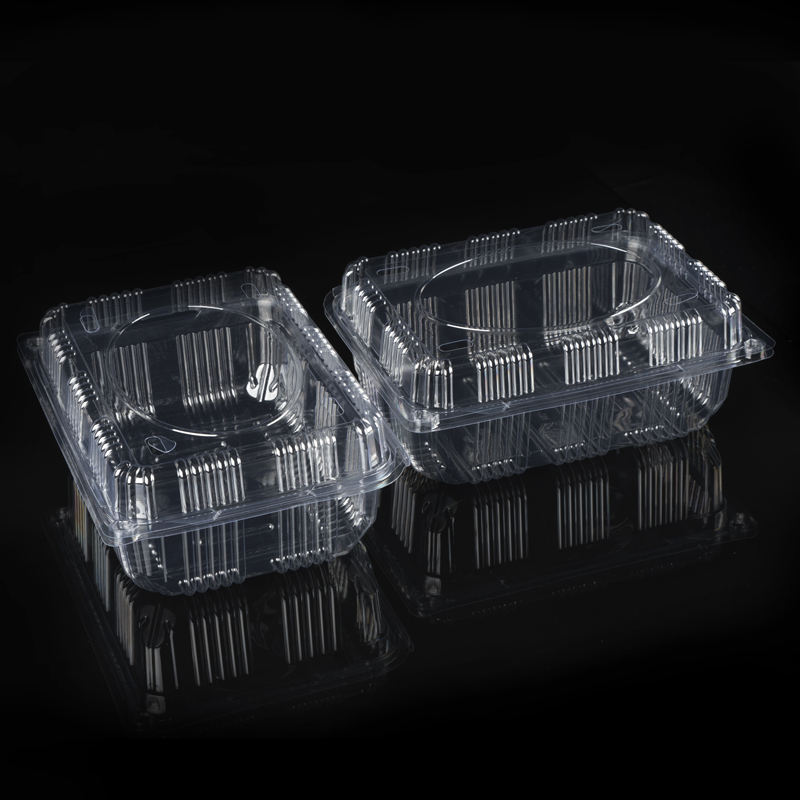
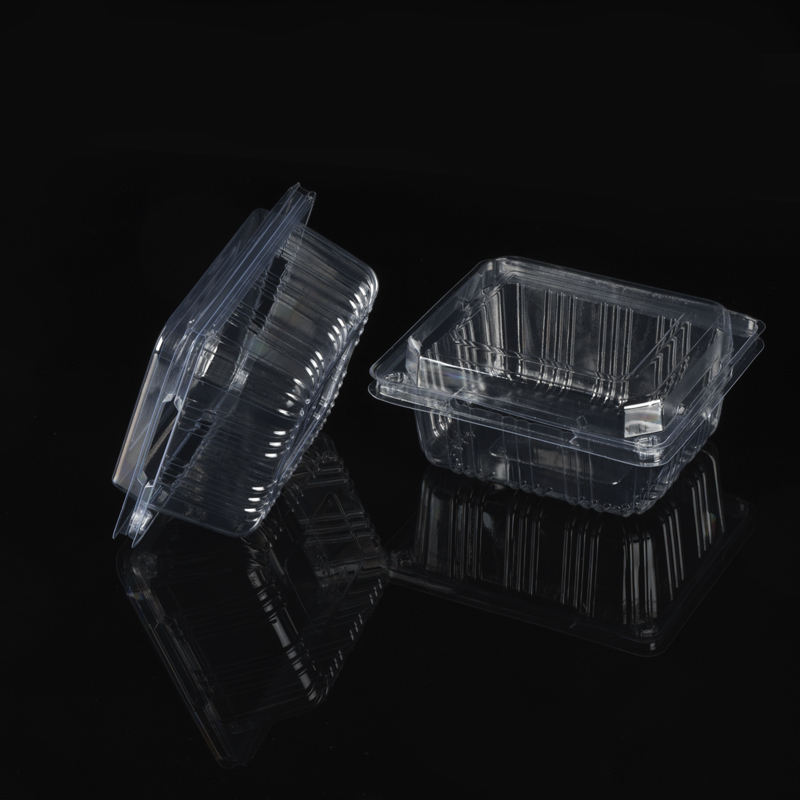
When choosing packaging, businesses often weigh the blister box against alternatives like clamshells or standard cardboard cartons. While a plastic blister pack shares similarities with clamshells, they are distinct. A clamshell is usually a one-piece plastic container hinged at one side, whereas a blister box typically has a cardboard backing.
Here is a comparison to help visualize why a business might choose blister packs:
Feature | Blister Box | Cardboard Box | Clamshell Packaging |
Product Visibility | High (Clear Plastic) | Low (Opaque) | High (All Plastic) |
Theft Protection | High | Low | Very High |
Cost Efficiency | High | High | Medium |
Customization | High (Molded Shape) | Medium (Print Only) | High (Molded Shape) |
Protection | High (Moisture/Impact) | Medium (Impact only) | High (Moisture/Impact) |
As shown, the plastic blister pack offers a balanced middle ground of high visibility and protection without the higher material costs sometimes associated with full heavy-duty clamshells. The blister box remains the superior choice for items that need to hang on a peg hook in a retail setting.
Where can you find high-quality blister packs for your business?
Sourcing the right blister box requires finding a manufacturer who understands material science plus design. Not all plastics are created equal. You need a supplier who can recommend the right thickness for your plastic blister pack to ensure it does not crack under pressure.
When looking for blister packs, consider manufacturers who offer customization. Your product might have a unique shape that requires a bespoke mold. A generic blister box might not hold your product securely enough. Furthermore, print quality on the backing card of the plastic blister pack is vital for branding. You want a partner who can deliver crisp, vibrant graphics that align with the quality of the plastic enclosure.
Reliability in the supply chain is also critical. You do not want your product launch delayed because your blister packs did not arrive on time. Therefore, choosing an experienced packaging partner is as important as the design of the blister box itself.
Frequently Asked Questions about blister box solutions
Is a plastic blister pack recyclable?
Yes, many blister packs are made from thermoplastics like PET (Polyethylene Terephthalate) or RPET (Recycled PET), which are recyclable. However, consumers must separate the plastic blister box from the cardboard backing before recycling.
Can a blister box be customized for any shape?
Absolutely. One of the biggest advantages of a plastic blister pack is thermoforming. A mold is created to the exact dimensions of your product, meaning a blister box can be made to fit anything from a round lip balm to a square battery.
Are blister packs expensive to produce?
Generally, no. A plastic blister pack is considered a cost-effective packaging solution. While there is an initial cost for the mold, the per-unit cost of a blister box is low, especially for large orders.
How do you seal a blister box?
Standard blister packs are sealed using heat and pressure. A specialized machine presses the plastic flange of the blister box onto the heat-seal coated cardboard card, creating a permanent bond.
Why is it called a blister box?
It is called a blister box or plastic blister pack because the formed plastic cavity resembles a "blister" rising from the flat surface of the backing card.
Why should you choose Zhongxing Packaging for your needs?
If you are looking for a reliable partner to supply your blister box needs, look no further than Zhongxing Packaging. With years of experience in the industry, they specialize in creating high-quality, durable, plus visually stunning packaging solutions.
Zhongxing Packaging understands that a plastic blister pack is the face of your product on the retail shelf. They offer comprehensive customization options to ensure your blister packs fit your products perfectly while maximizing shelf appeal. Whether you need a standard solution or a complex, custom-molded blister box, their team has the technical expertise to deliver.
Choosing Zhongxing Packaging means choosing quality assurance. They utilize premium materials to manufacture every plastic blister pack, ensuring your products are protected against damage and theft. Do not compromise on the safety and presentation of your goods. Trust the experts who know blister packs inside and out.
For inquiries regarding your new blister box strategy, please reach out to the team directly.
Email: zszxpack@163.com
Phone: +86-18024217948
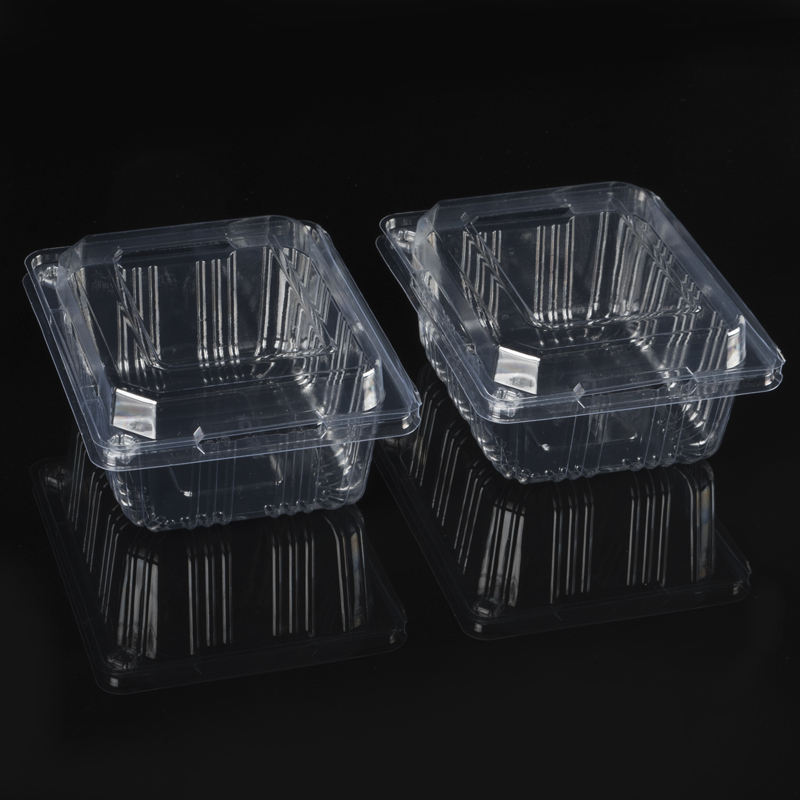
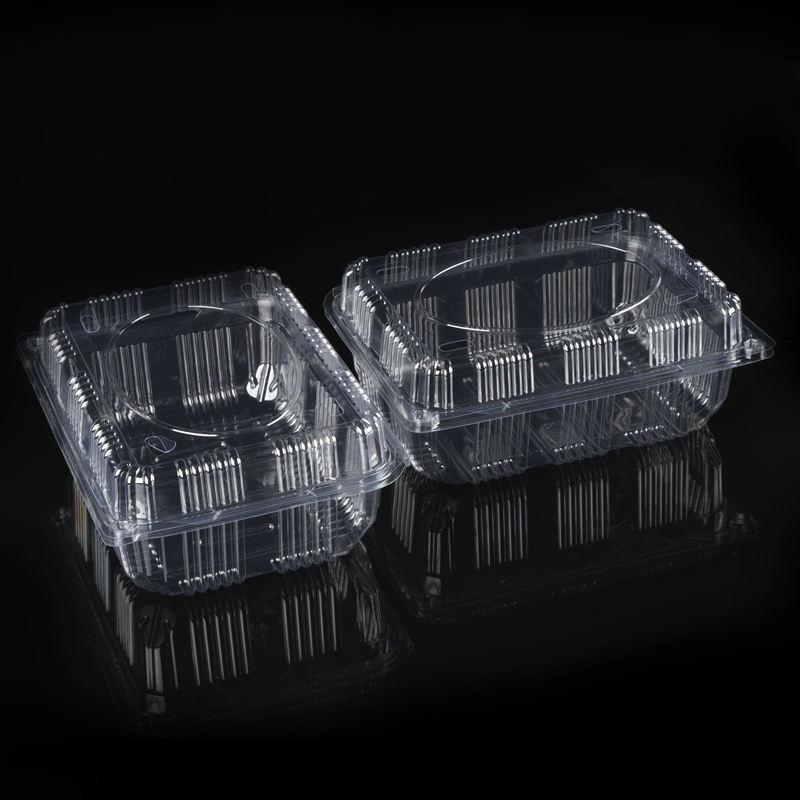
blister box
blister packs
plastic blister pack


