Plastic tray usage has become an essential part of food service, retail, catering, supermarkets, meal prep businesses, and industrial kitchens. From a small plastic tray holding fresh fruit to a large plastic tray used for bulk meat distribution, plastic tray packaging plays a major role in preserving freshness, protecting food, and improving logistics efficiency.
But as environmental awareness continues to rise, one critical question stands out: are plastic food trays recyclable?
Understanding whether a plastic tray, plastic tray packaging, or a large plastic tray can enter the recycling stream is essential for businesses aiming to reduce waste, improve sustainability performance, and meet regulatory requirements. This article explores recyclability, material types, best practices, industry standards, and responsible disposal methods.
What Materials Are Commonly Used in Plastic Tray Packaging?
Plastic tray packaging is manufactured from several types of polymers, each with different recycling characteristics. The recyclability of a plastic tray depends largely on the material composition.
Common materials used in plastic tray packaging include:
PET (Polyethylene Terephthalate)
PP (Polypropylene)
PS (Polystyrene)
PVC (Polyvinyl Chloride)
CPET (Crystallized PET)
A large plastic tray designed for meat distribution may differ significantly from a plastic tray used for ready meals. Material selection affects durability, heat resistance, food safety, and recycling compatibility.
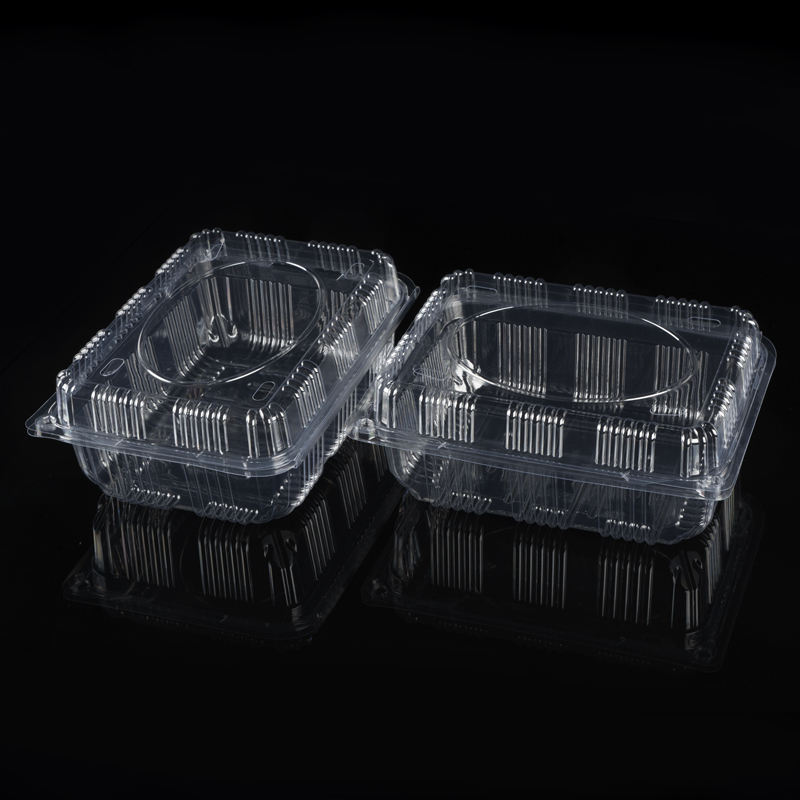
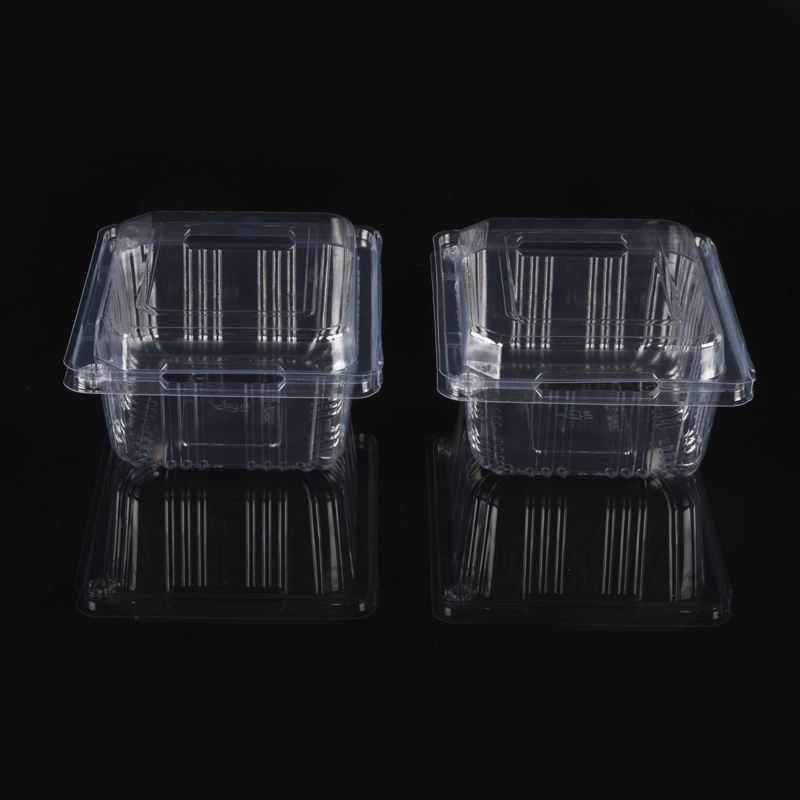
Recycling Characteristics by Material Type
| Material Type | Common Use in Plastic Tray Packaging | Recyclable in Most Areas? | Notes |
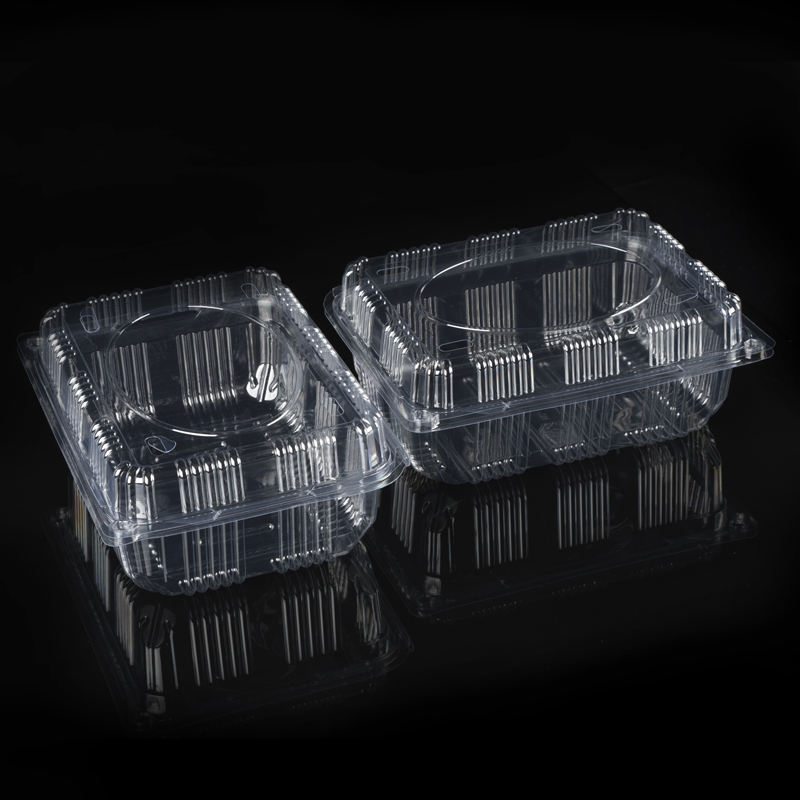
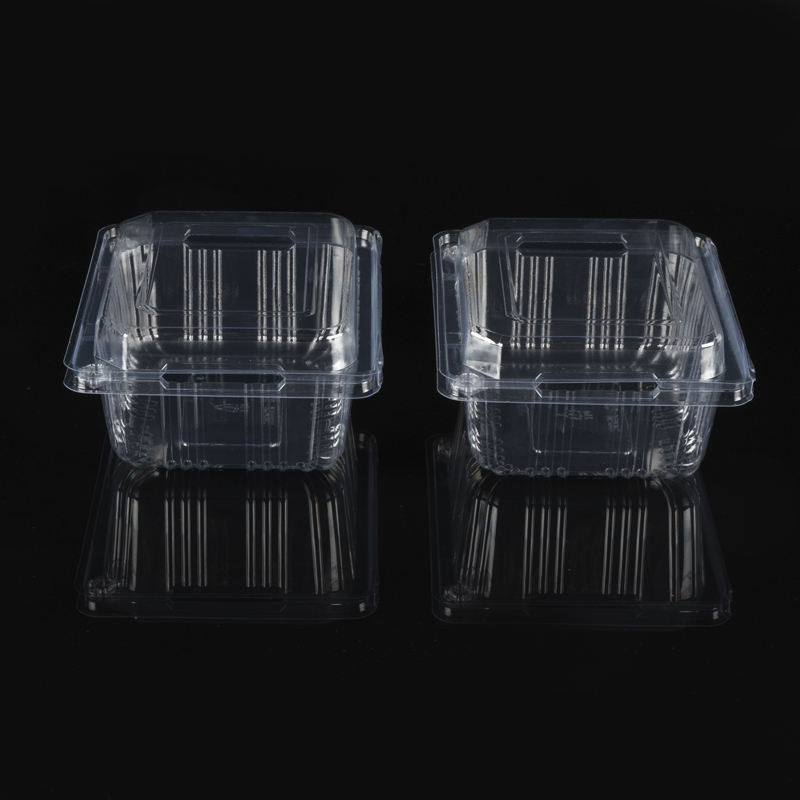
| PET | Clear plastic tray for fruits, salads | Yes | Widely accepted |
| PP | Microwave-safe plastic tray | Often | Acceptance varies |
| PS | Foam plastic tray | Rarely | Limited recycling |
| CPET | Oven-ready large plastic tray | Limited | Facility dependent |
| PVC | Specialty packaging | Rarely | Difficult to recycle |
As shown in the table above, not every plastic tray is equally recyclable. PET plastic tray packaging generally has the highest recycling rate globally.
Why Does Plastic Tray Recyclability Depend on Local Facilities?
A plastic tray may be technically recyclable but not practically recyclable in your area. Recycling infrastructure varies significantly between cities and countries.
Key influencing factors include:
Sorting technology capability
Contamination levels in plastic tray packaging
Local demand for recycled resin
Municipal waste policies
For example, a large plastic tray made from PET may be recyclable in a metropolitan region with advanced sorting systems. However, the same plastic tray might be sent to landfill in a rural location with limited recycling capacity.
Businesses using plastic tray packaging must verify local recycling guidelines before labeling products as recyclable.
How Does Food Contamination Affect Plastic Tray Recycling?
Food residue is one of the biggest obstacles to recycling a plastic tray. Grease, sauce, meat juices, and dairy residues can contaminate recycling streams.
If a plastic tray is heavily contaminated:
It may be rejected during sorting
It may reduce the quality of recycled resin
It may cause entire batches to be discarded
To improve recycling outcomes:
Rinse the plastic tray before disposal
Remove film lids from plastic tray packaging
Separate mixed materials
Flatten large plastic tray units when possible
Proper cleaning significantly increases the recyclability of plastic tray packaging.
Are Large Plastic Tray Products More Difficult to Recycle?
A large plastic tray often contains thicker material for strength. While this can improve durability and transport safety, it may affect recycling in several ways:
Some facilities prefer standardized tray sizes
Larger trays may require manual sorting
Multi-layer plastic tray packaging can complicate processing
However, if the large plastic tray is made from mono-material PET or PP, it remains recyclable in many regions.
Manufacturers are increasingly designing plastic tray packaging with single-material construction to simplify recycling.
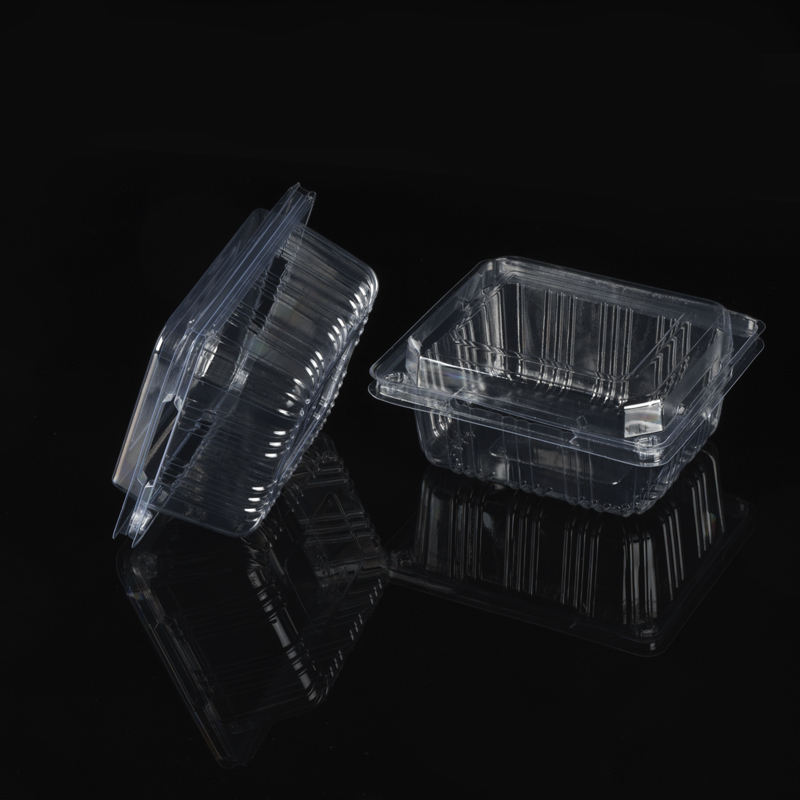
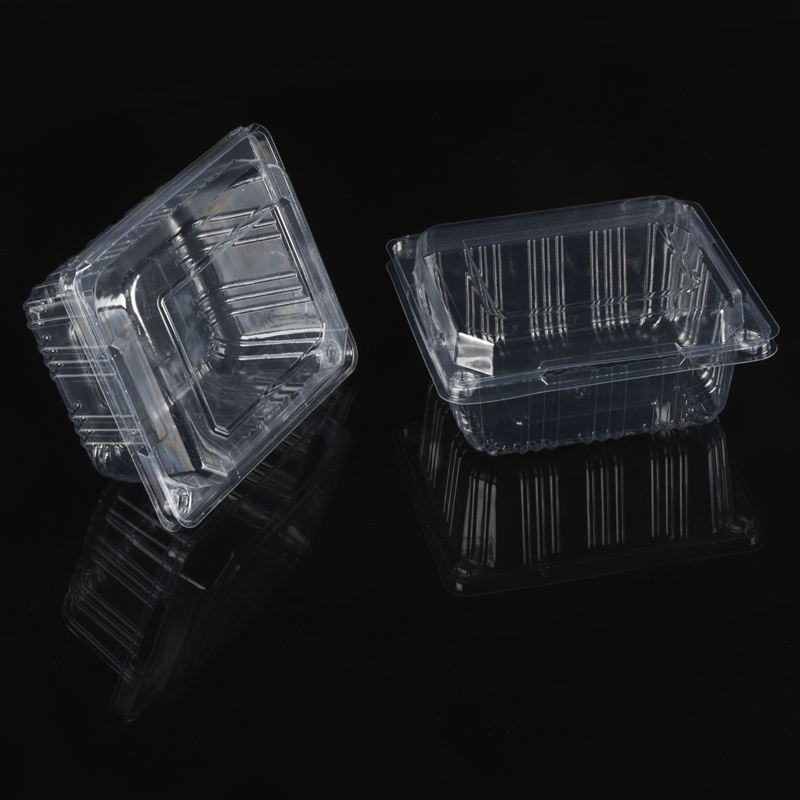
What Design Features Improve Plastic Tray Packaging Sustainability?
Design for recyclability is becoming a central principle in plastic tray production.
Sustainable design features include:
Mono-material plastic tray construction
Clear labeling of resin type
Minimal use of pigments
Easy-to-remove film layers
Reduced weight without compromising strength
A large plastic tray designed with recyclable PET and reduced color additives improves recycling yield. Plastic tray packaging with clear transparency is often easier to recycle than heavily dyed alternatives.
How Can Businesses Improve Recycling Rates for Plastic Tray Packaging?
Food manufacturers and retailers can take proactive steps to improve the recyclability of plastic tray packaging:
1. Material Selection
Choose PET or recyclable PP plastic tray materials.
2. Clear Labeling
Mark each plastic tray with resin identification codes.
3. Consumer Education
Provide disposal instructions on packaging.
4. Waste Sorting Systems
Install internal collection programs for large plastic tray waste in distribution centers.
5. Supplier Collaboration
Work with responsible manufacturers committed to recyclable plastic tray packaging.
Sustainable plastic tray usage is not only about materials but also about responsible system design.
What Environmental Benefits Come from Recycling Plastic Tray Products?
Recycling plastic tray packaging contributes to measurable environmental improvements:
Reduced landfill waste
Lower carbon emissions
Decreased demand for virgin plastic
Conservation of fossil resources
Reduced marine pollution
Recycling one ton of PET plastic tray material can save significant energy compared to producing new resin. Large plastic tray recycling also supports circular economy goals.
By improving plastic tray recycling rates, food supply chains can reduce environmental impact while maintaining food safety standards.
Are Biodegradable Plastic Tray Alternatives Better Than Recyclable Options?
Some businesses consider compostable alternatives instead of recyclable plastic tray packaging. However, biodegradable materials require industrial composting facilities, which are not universally available.
Recyclable plastic tray solutions often offer:
Better structural strength
Longer shelf life protection
Established recycling streams
Lower contamination risk
In many regions, recyclable PET plastic tray packaging remains more practical than compostable alternatives.
The decision between compostable and recyclable plastic tray solutions depends on local infrastructure.
What Regulations Influence Plastic Tray Packaging Recycling?
Governments worldwide are introducing regulations targeting plastic packaging waste. Extended Producer Responsibility policies require companies to manage the lifecycle of plastic tray products.
Common regulatory themes include:
Mandatory recycling targets
Recycled content requirements
Packaging reduction goals
Labeling standards
Businesses using large plastic tray packaging must stay informed about compliance rules to avoid penalties.
FAQ: Are Plastic Food Trays Recyclable?
Are all plastic tray products recyclable?
No. A plastic tray made from PET or certain PP materials is often recyclable, but foam or multi-layer plastic tray packaging may not be accepted in many recycling systems.
Can a large plastic tray go in curbside recycling?
It depends on local guidelines. If the large plastic tray is made from PET or approved PP material, it may be accepted after cleaning.
Should plastic tray packaging be washed before recycling?
Yes. Rinsing a plastic tray removes contamination that can otherwise disrupt recycling processes.
Is black plastic tray packaging recyclable?
Black plastic tray products are often harder for sorting machines to detect. Many facilities struggle to process black plastic tray materials.
Does removing film lids help recycling?
Yes. Separating film from a plastic tray improves sorting accuracy and material purity.
What makes plastic tray packaging sustainable?
Sustainability improves when plastic tray packaging uses recyclable mono-material design, reduced material weight, and supports circular systems.
Conclusion: Are Plastic Food Trays Recyclable in Practical Terms?
So, are plastic food trays recyclable? The answer is yes in many cases, but not universally. The recyclability of a plastic tray depends on material composition, contamination level, product design, and local recycling infrastructure.
Plastic tray packaging made from PET remains one of the most recyclable options in food packaging. A large plastic tray constructed from mono-material resin improves recyclability further.
Businesses seeking reliable, sustainable plastic tray packaging solutions should prioritize recyclable materials, responsible design, and transparent labeling practices.
For high-quality, recyclable plastic tray packaging solutions including small plastic tray designs and large plastic tray options suitable for food applications, consider working with Zhong Xing Pack for professional manufacturing support.
Contact Information
Email: zszxpack@163.com
Phone: +86-18024217948
plastic tray
Plastic tray packaging
large plastic tray


